
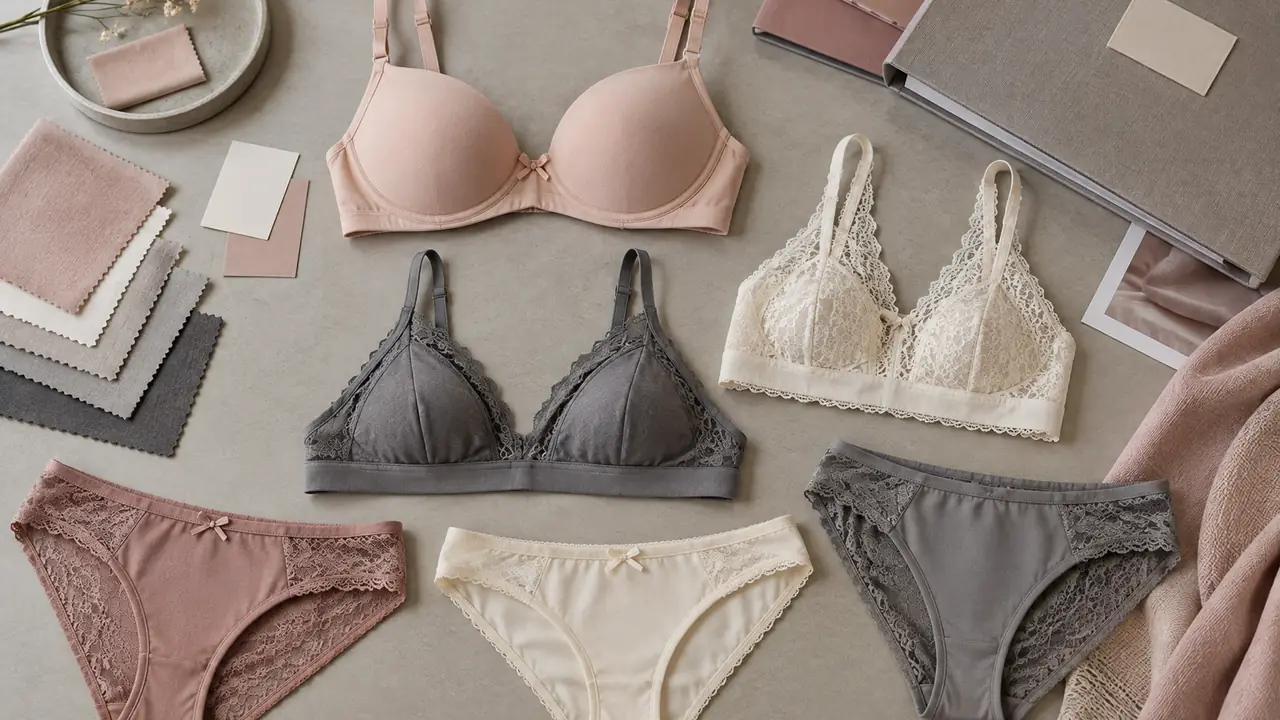
The trigger is the product, not the garment type
CPSIA is the consumer product safety framework for the United States, and its applicability turns on whether the product is a children's product - a determination made from design and marketing intent rather than from the category name. A lace brief graded on an adult ladder, sold in adult packaging and marketed to adult buyers sits in ordinary general-apparel territory. The same silhouette regraded to children's sizes, pictured for children, packaged for children or listed in a children's category, brings the framework's requirements with it. The lesson programs learn the expensive way is that intent accumulates from small signals, and the determination is made early - at design and at listing - rather than at the border.
This is why the desk asks the children's question at the first brief, not at bulk booking. The answer changes the plant shortlist, the laboratory, the paperwork and the calendar, and every one of those is cheaper to change at brief stage than after samples are approved. The question costs one line in the brief; the answer reorganizes everything downstream.
What changes when the framework applies
A children's program adds a defined layer to the document pack. Testing moves to third-party laboratories accepted under the framework for the applicable rules. The shipment carries a children's product certificate built on that testing. The product itself carries tracking information - marking that ties the individual product to its production details. And the framework sets substance limits - lead content and certain phthalates among the best known - that the laboratory's plan addresses. The exact scope of applicable rules for a given style is confirmed with the laboratory and, where needed, counsel; what a buyer plans around is the shape of the change: third-party venue, certificate, marking, substance limits.
None of these additions is exotic; each is a routine part of children's work in apparel generally. What makes them felt in intimates is the margin the category works on and the speed brands expect: a testing queue that adds two or three weeks to a sampling round is invisible in outerwear and very visible in a capsule planned for a season window. That is the whole argument for declaring intent early - the children's layer is predictable, and prediction is cheap at the brief and expensive nowhere else.
Adult and children's programs side by side
| Program feature | Adult program | Children's program |
|---|---|---|
| Determination | General apparel; adult design and marketing | Children's product by design and marketing intent |
| Testing venue | Plant or third-party laboratory per the agreed plan | Third-party laboratories accepted under the framework |
| Documents | OEKO-TEX per lot, market label layers, a 16 CFR 1610 report per fabric | The adult baseline plus CPSIA testing and the children's product certificate |
| Product marking | Fiber and care labels | Labels plus tracking information on the product |
| Substance limits | Per the agreed test plan and certificates | Framework limits addressed in the laboratory plan |
The table is a planning view, not a legal one: which rules apply to which style is confirmed with the laboratory before sampling. What the table fixes is the workflow - the children's column adds work, and the work has a calendar cost.
The sleepwear boundary
One boundary deserves its own paragraph. Sleepwear for children is regulated under separate, stricter requirements than general apparel, and the border between underwear, loungewear and sleepwear is drawn by design and marketing, not by the style name. A children's capsule that drifts toward sleepwear territory - loungewear styling, sleep-adjacent listing language, packaging that reads as pajamas - needs scope advice before sampling, because the flammability conversation changes entirely. The note on 16 CFR 1610 covers the general-apparel standard; where children's sleepwear rules begin, the laboratory and counsel mark the line. For sourcing purposes the practical marker is simple: if a style could plausibly be bought as sleepwear, the scope question goes to the laboratory before the style goes to sampling.
What it does to the schedule
The children's layer is calendar work. Third-party testing slots into laboratories with their own queues, the certificate is assembled from results, and the tracking label is designed with the artwork rather than after it. Programs that learn about the layer at bulk booking pay in delay; programs that declare intent at the brief simply carry a longer sampling phase. The calendar point has a commercial twin: channels review children's paperwork more deeply than adult paperwork. Retail chains onboarding a children's range and marketplaces listing it ask for the certificate and check the marking, so the pack is reviewed twice - once at entry and once at listing - and a program that builds the pack for the listing review passes both.
Reference quantities and leads stay as ranges confirmed in writing per order - the table on MOQ and lead time holds the category baselines, and a children's program adds its testing window on top of them.
Setting a children's program up
- Decide the intent before design: adult range, children's range, or both as separate programs.
- Tell the desk and the plant at the brief, so the shortlist matches the route.
- Have the laboratory confirm the applicable rules and the test plan before sampling.
- Design the tracking label with the artwork, not after bulk.
- Assemble the certificate per lot from the testing results, and file it with the pack.
- Verify marking, labels and paperwork at inspection as checklist lines.
What the desk does
The desk shortlists partner plants for children's work on the routes they already run, books the third-party testing into the sampling calendar, and verifies the certificate and marking per lot before shipment. The certifications checklist shows where the children's papers sit in the full pack, and the US import note places them in the entry file. Quantities and timing are confirmed in writing per program, and a brief that states the children's intent up front - with sizes, packaging and channels - gets a plan that already contains the testing window; the quote form has room for exactly that statement.