
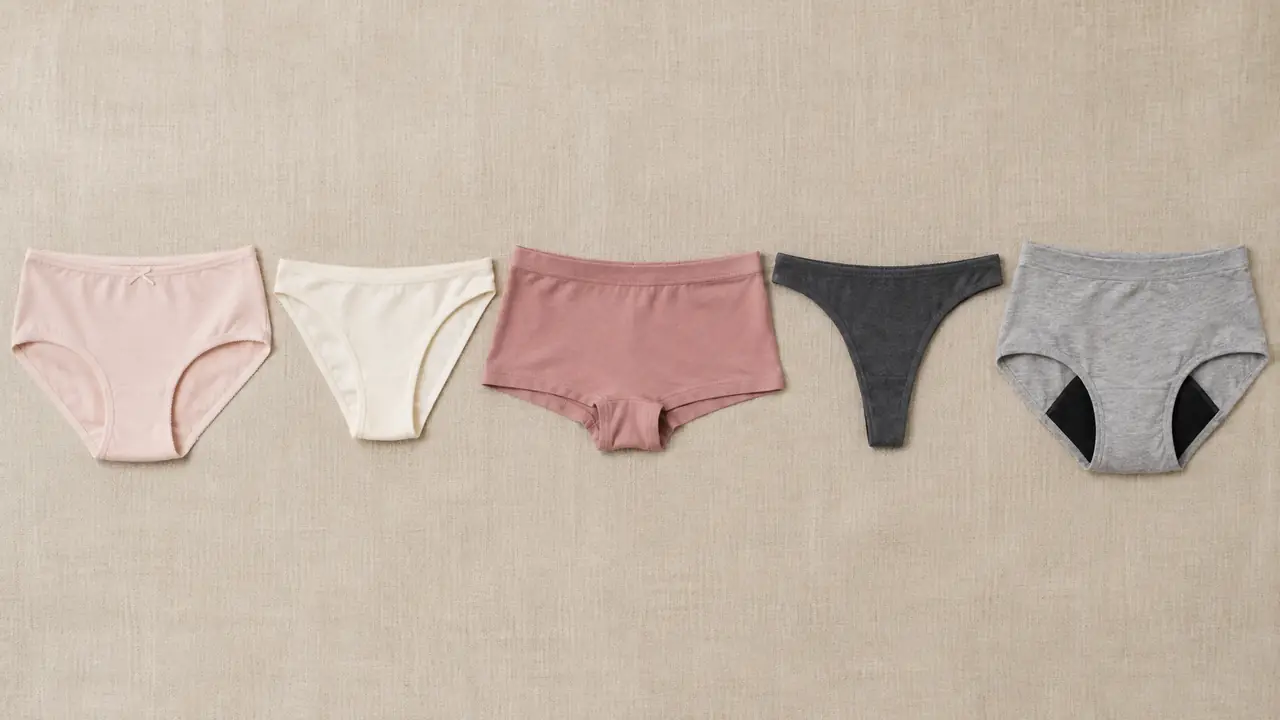
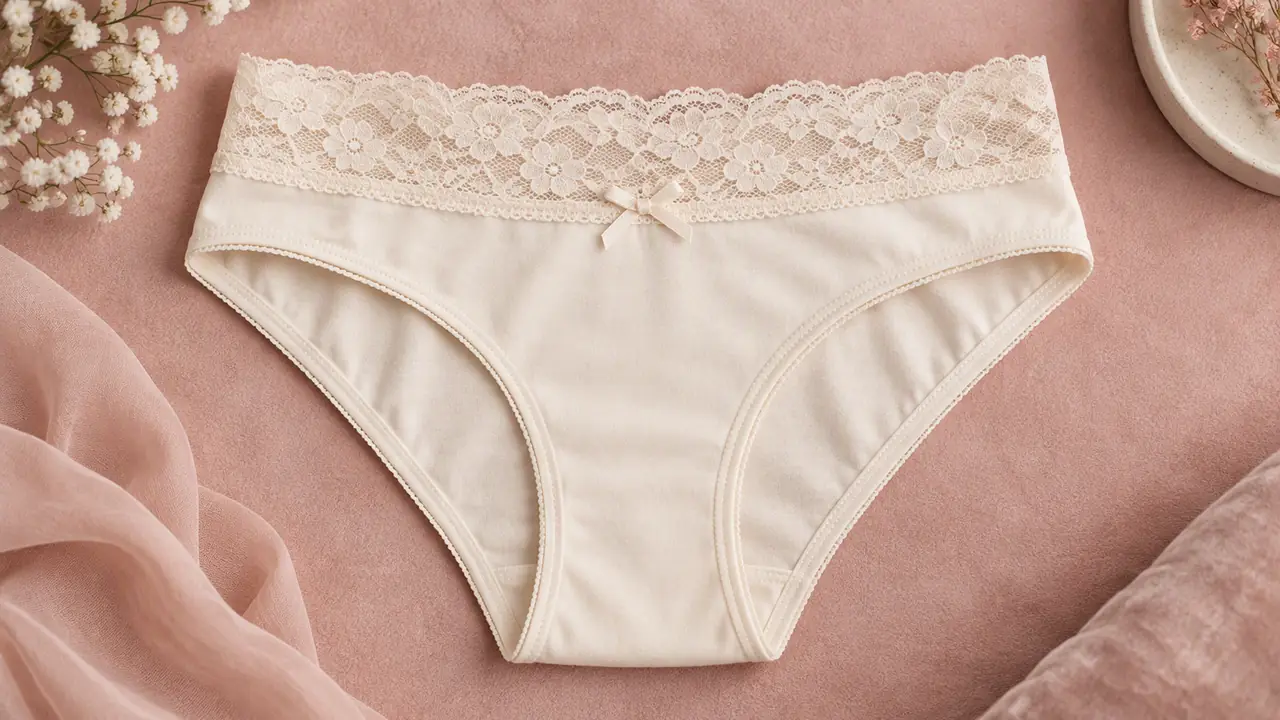
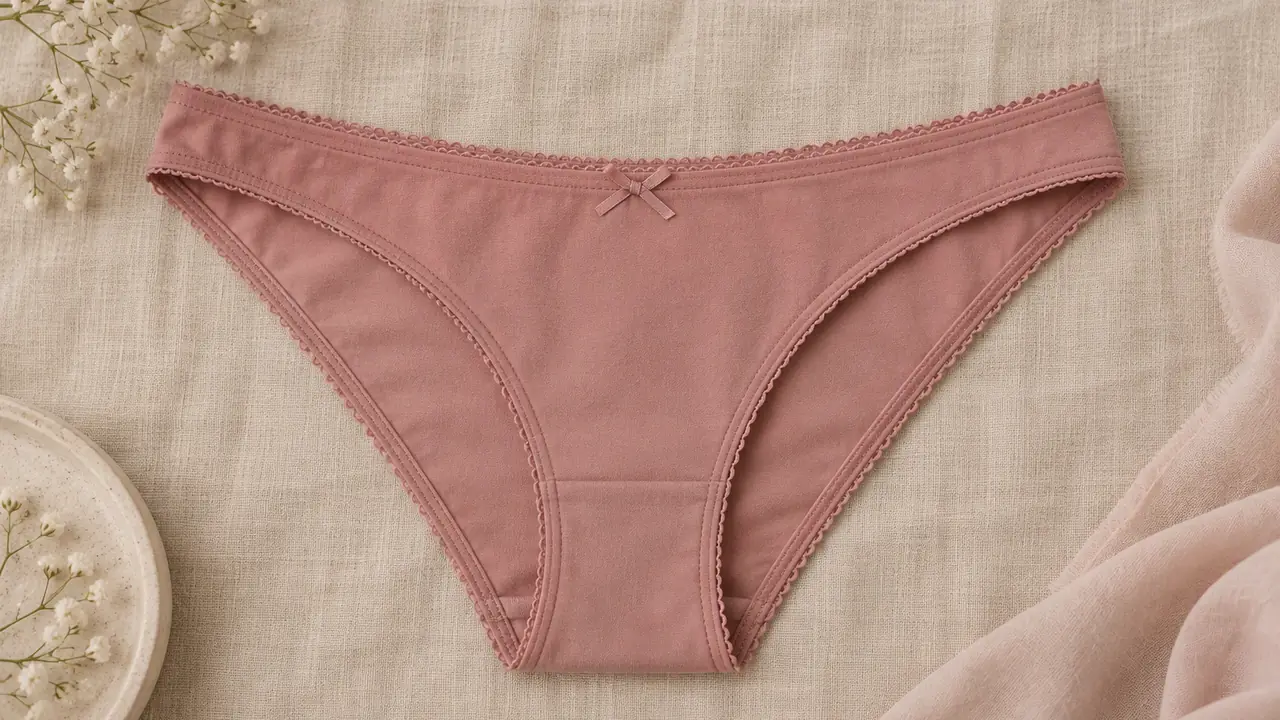
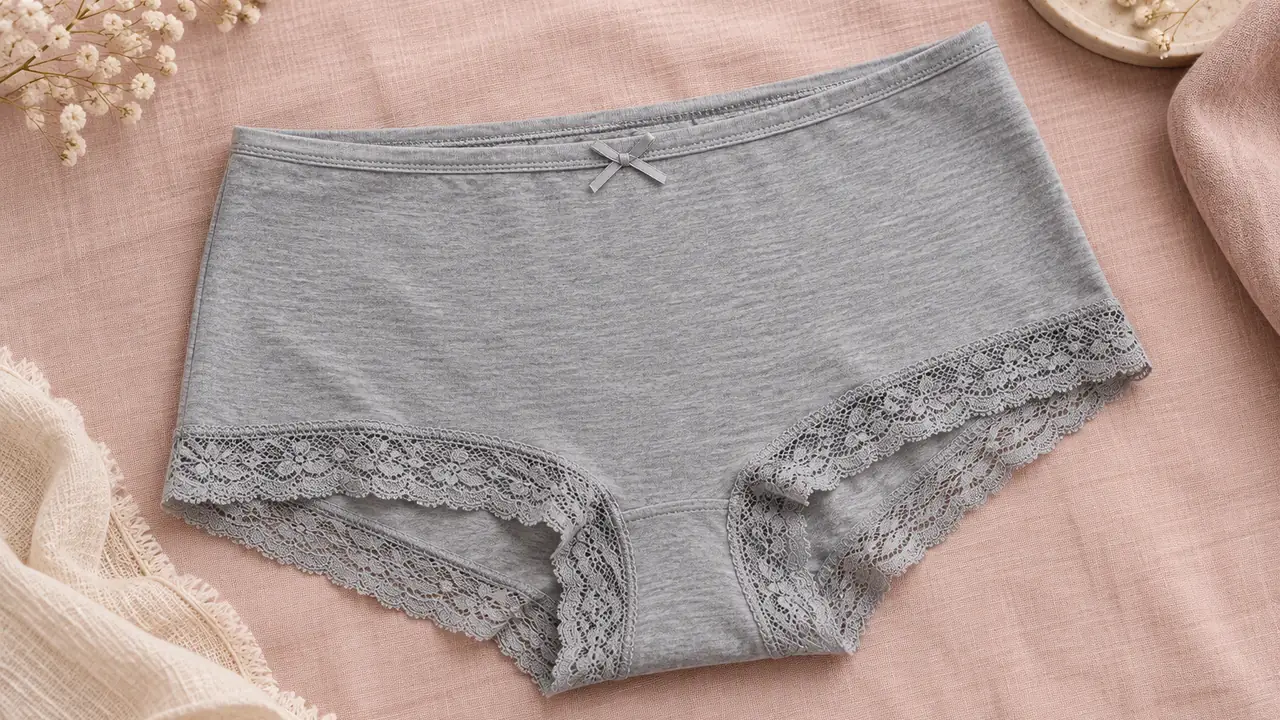
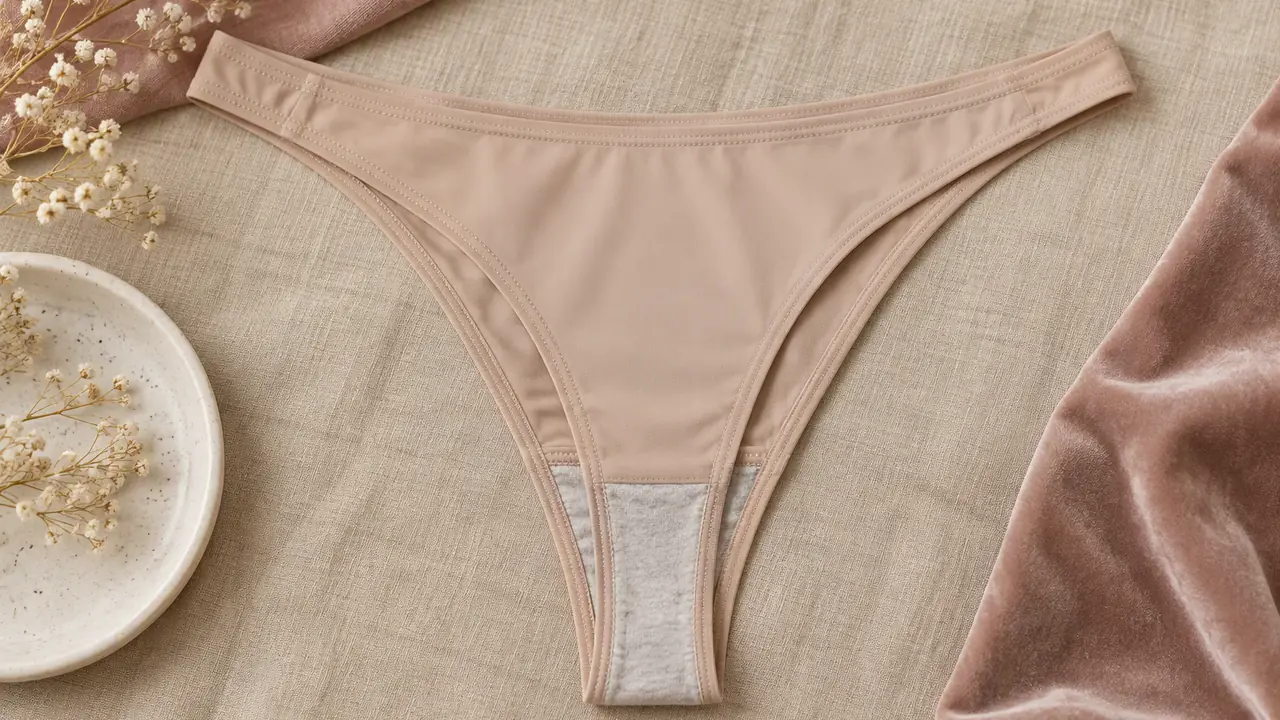
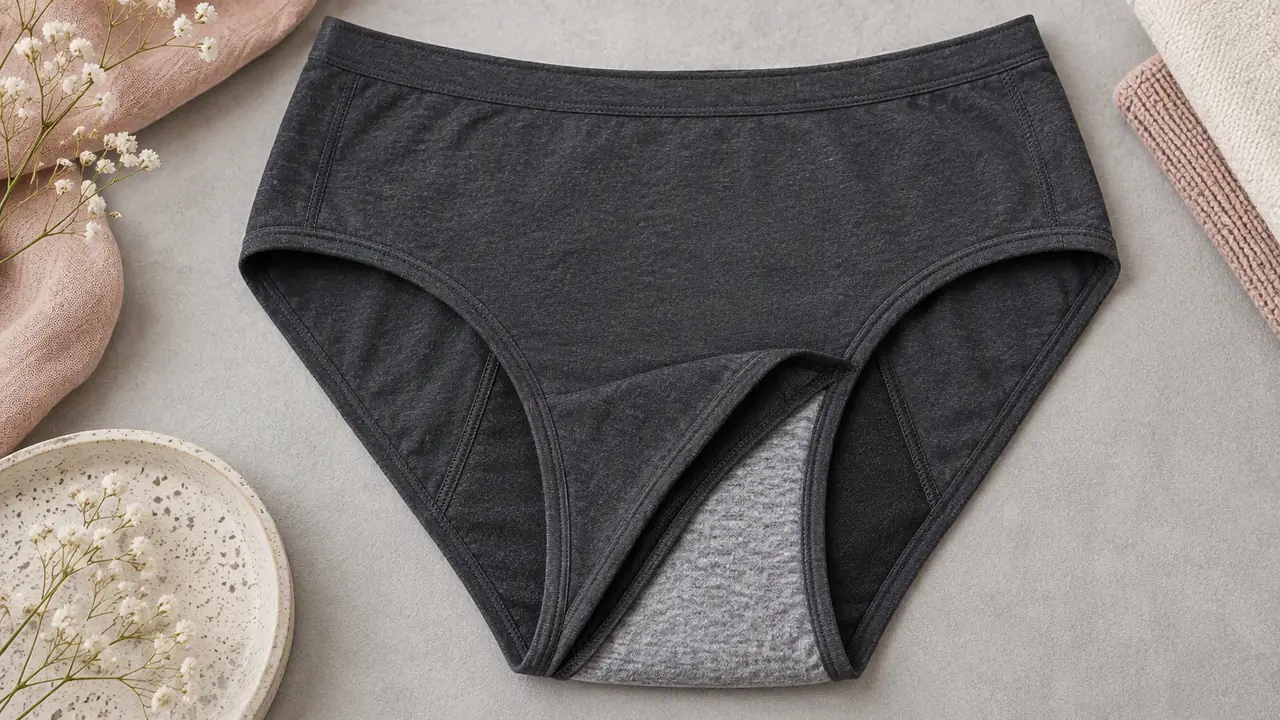
Panties carry the replenishment volume of an intimate apparel range. Unit construction is simpler than a bra, size runs are wider, and the color cycle turns faster, which is why most programs open here and add bras once the fit blocks are proven. Lissea is a sourcing desk, not a single factory: the desk coordinates partner plants in the Chinese intimate apparel clusters, and each panty line is specified on its own page with the same construction card, reference ranges and inspection plan.
The five lines at a glance
Each line runs as a separate program with its own card, but they share fabric rolls, elastic suppliers and a color ladder. The comparison below is the fastest way to brief a colleague; every figure is confirmed from the program spec sheet, not from this table.
| Line | Rise | Seat coverage | Typical fabrics | Sizes | Reference MOQ |
|---|---|---|---|---|---|
| Brief | High, mid or low | Full | Cotton-modal, combed cotton, microfiber, lace panels | XS-3XL | 2,000-5,000 pcs per color |
| Bikini | Low to mid | Moderate | Cotton blends, stretch lace, mesh | XS-3XL | 2,000-5,000 pcs per color |
| Boyshorts | Mid, boy-leg | Full | Modal and cotton jersey, lace-trim edges | XS-3XL | 2,000-5,000 pcs per color |
| Thong | Mid to low | Minimal, T-back | Seamless knit, microfiber, lace | XS-2XL | 2,000-5,000 pcs per color |
| Period | Mid to high | Full | Cotton face over a layered absorbent core | XS-3XL | 1,000-2,000 pcs |
Briefs and bikinis carry the volume for most retailers and marketplace sellers, while boyshorts, thongs and period styles widen a range once the core blocks and size charts are proven. A first order commonly starts with two or three colors in one or two styles, then widens season by season. The channel logic differs: the marketplace seller page favors standardized multi-packs, the retail chain page favors shelf-ready packaging, and the DTC brand page favors small color drops.
Brief and bikini: the volume core
The brief is the coverage reference of the category: a full rear panel, a waistband that sits high, mid or low, and the widest size run of the five lines, typically XS to 3XL. It is the style multi-packs are built around because it fits the widest range of bodies and outer garments. The bikini trades some rear coverage for a low rise and narrow sides, typically 5-8 cm, which makes it the natural fashion partner inside the same color ladder.
Produced together, the two styles share fabric rolls, gusset linings and elastic lots, which is where most of the margin in a panty program sits. The desk plans them as one cutting ticket where the plant allows it, with one retained swatch per color covering both styles. The cut-by-cut differences are set out in brief vs bikini panties.
Boyshorts and thong: coverage in both directions
The boyshort extends coverage downward instead of upward: a boy-leg cut with a full seat, no leg-line ride-up and a waistband that behaves like a brief. It grades cleanly across XS-3XL and suits modal and cotton jerseys. The thong removes rear coverage altogether; its production conversation is almost entirely about seams and edges - bonded, laser-cut, lace or coverstitched - because a millimeter of placement error becomes a comfort complaint. Thong sizes typically run XS to 2XL.
Both styles are frequent second-line additions, and both reward plants with strong seamless-knitting capability alongside cut-and-sew. Construction detail sits in thong construction and the boyshorts guide.
Period panties: a structure-led line
The period panty is built around a four-layer absorbent structure in the gusset zone: a wicking face layer, a layered absorbent core, a leak-resistant backing applied per the spec sheet, and the base body fabric. Flow tiers - light and heavy - are defined on the program sheet, and gusset absorbency is a named test item in the inspection plan. Reference MOQ runs lower than the fashion lines, typically 1,000-2,000 pieces, because the structure, not the color ladder, is the product. The layered build is explained in the period panties guide.
What every line shares
Five details decide whether a panty program reorders, whichever style it starts from:
- Gusset lining. An OEKO-TEX cotton gusset is the category baseline; construction options sit in gusset construction.
- Leg elastic. Recovery after repeated wash and wear cycles decides how the leg line ages.
- Waistband tension. Enough hold to stay put, soft enough not to mark; roll-down causes are set out in why panties roll down.
- Labeling. Fiber content and care labels applied at the plant, tagless print where the brand wants it.
- Color discipline. One retained swatch per color per program, checked under a standard lamp at every lot.
Certification, labeling and testing
Panties sit in permanent skin contact, so the desk treats OEKO-TEX Standard 100 as the baseline certificate, requested per lot and covering yarn to finished product - gusset and elastics included, not only the face fabric. For the United States, fiber content labeling follows the Textile Fiber Products Identification Act, care labeling follows the FTC Care Labeling Rule, and 16 CFR 1610 covers garment flammability. EU-bound programs add REACH SVHC screening. Batch testing is agreed per order: colorfastness, shrinkage, pH, pilling and stretch recovery are the usual items. The full route is in the fabric certifications guide and the testing and inspection page.
Planning a panty program
Typical reference ranges across the category: MOQ 2,000-5,000 pieces per color for brief, bikini, boyshorts and thong, and 1,000-2,000 pieces for period panties; samples 7-15 working days for catalog models and 15-25 days for branded samples; batch production 30-45 days, 35-50 days under private label. All figures are confirmed in writing for each program. The MOQ and lead time page sets the ranges, the OEM and private label guide covers the branding steps, and the quote form lists what the plants will ask for.