
LI-00Lissea intimate apparel sourcing desk
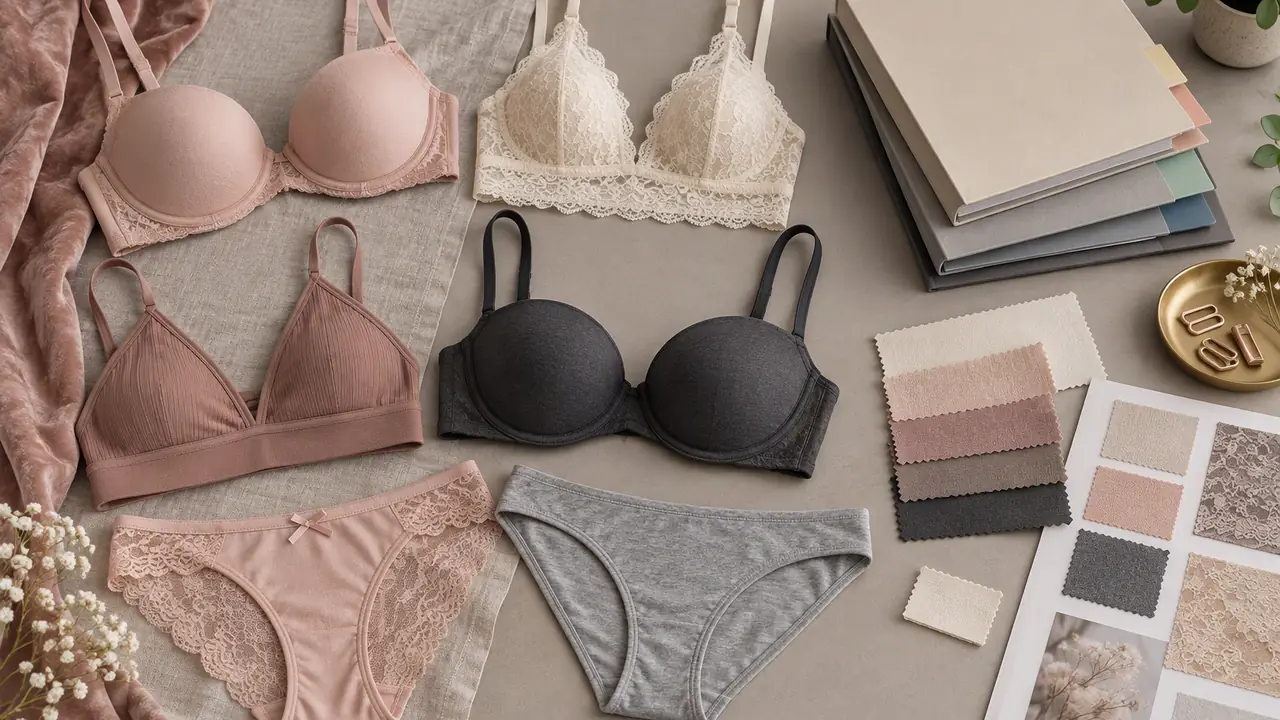
Intimate apparel from the Chinese lingerie clusters, with the spec card on the table
Lissea is an intimate apparel sourcing desk. We coordinate partner plants in the Shantou, Puning, Yiwu and Foshan clusters, write the construction of every line on one spec card, manage certification routes, check each lot before it ships and turn a brief into samples.
- 11lines from balconette to period panties
- 1,000-3,000 pcstypical start per color
- 6 layerslisted on every spec card
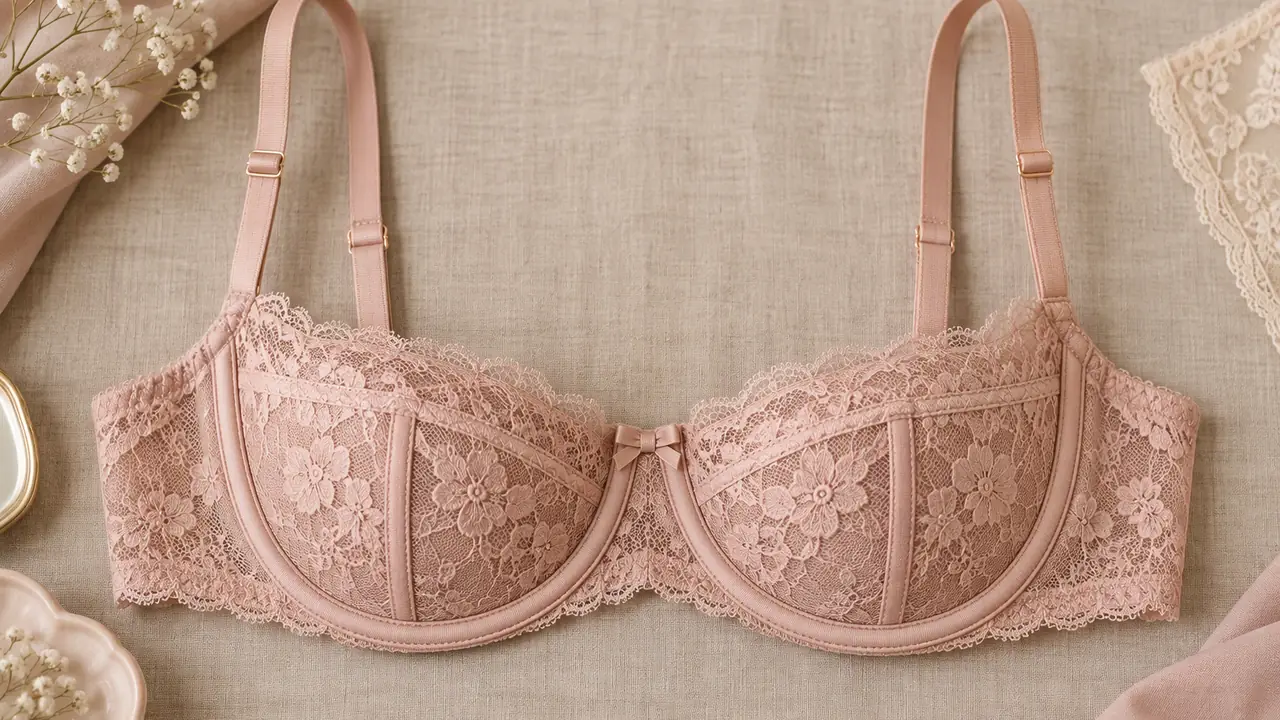
LI-001Spec card
| # | Part | Typical options | Custom |
|---|---|---|---|
| 1 | Cups | Balconette half-cup, molded or unlined, A-DD+ cup range | yes |
| 2 | Band | Underwire or wire-free, 30-44 band, 2-4 hook closure | yes |
| 3 | Straps | Slightly outward-set, semi-convertible, elastic or fixed | yes |
| View line → | |||
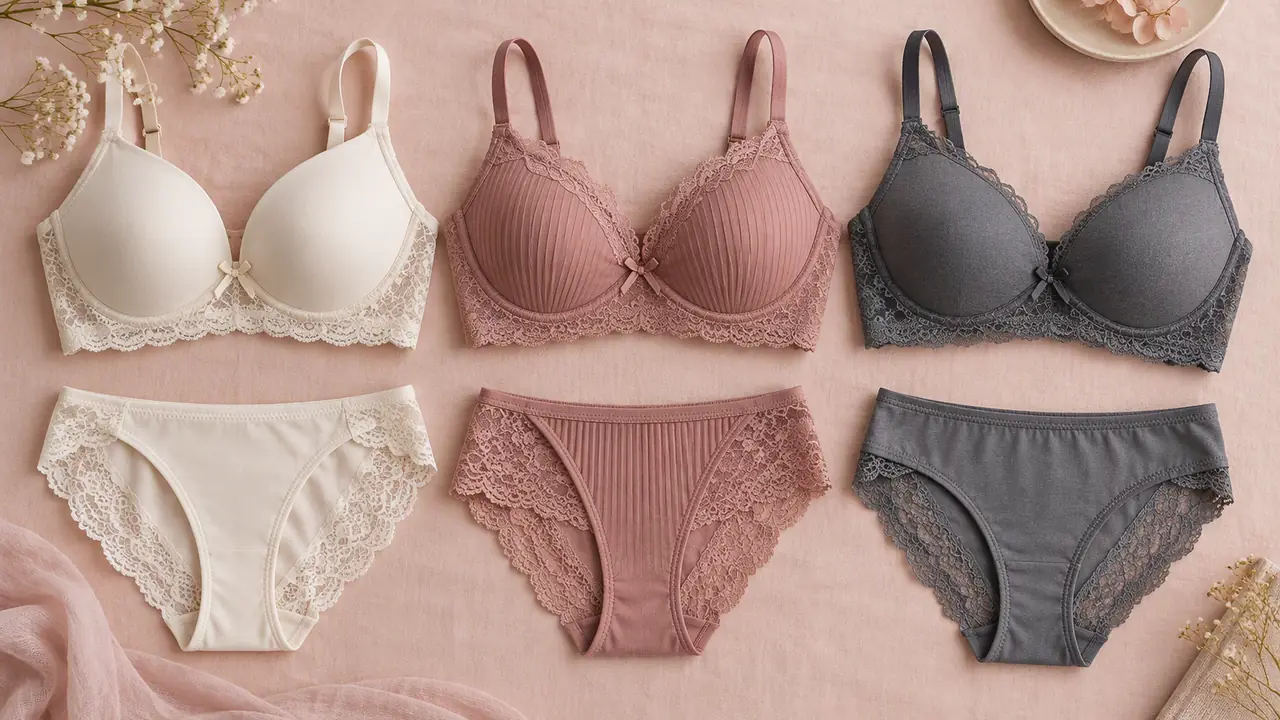
Most buyers start with one style and quickly need more: a brand that launches a balconette is asked for a wireless version; a marketplace seller that lists briefs wants bikinis and boyshorts at a higher margin; every one of them needs matching colors across lines. Running each item through a different plant means different elastics, different dye lots and no single record when a color looks warmer than the sample.
This desk keeps the range in one place: bras, panties and the construction details that decide fit. One spec card per line, one inspection record per lot, one person accountable for the program.
Each line page carries its spec card: a construction flat sketch with the layers a plant will ask about, the options for each, and the reference ranges for sizes, fabrics and certifications. Start with what an intimate apparel program is made of if the category is new to you.
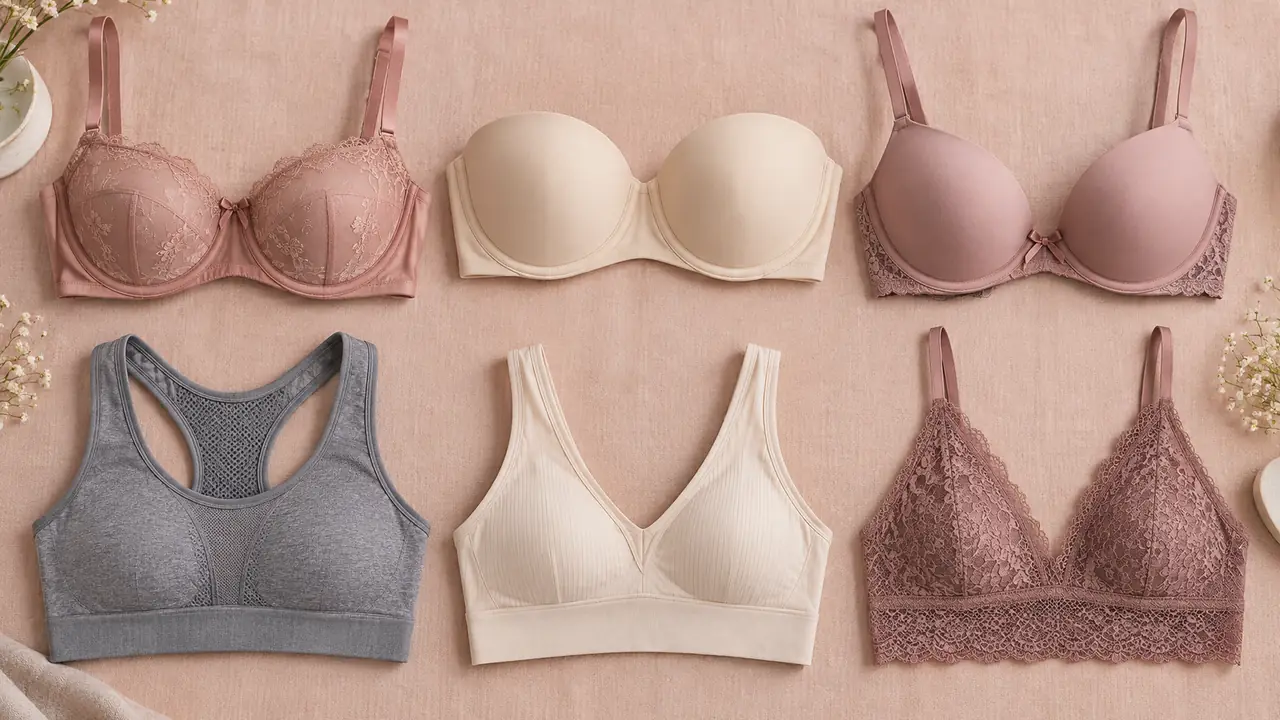
Six bra lines, cups A-H, bands 30-44; MOQ 1,000-3,000 pcs per color.
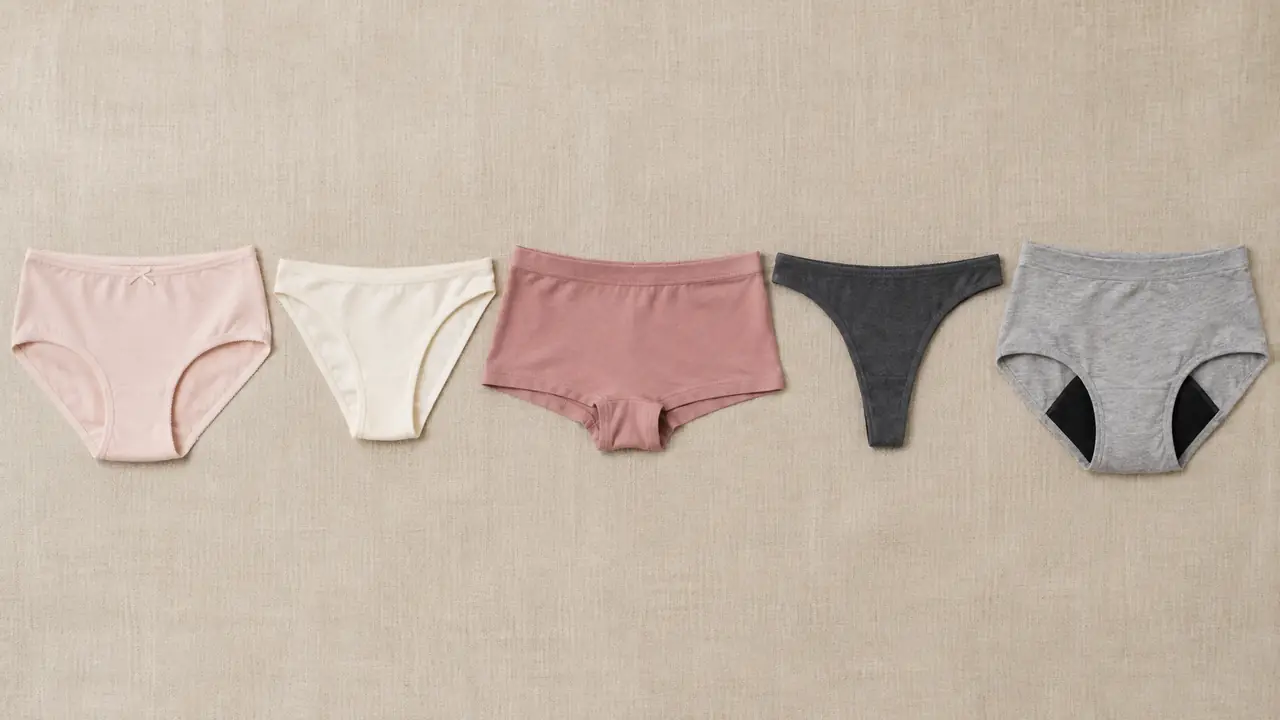
Five panty lines, brief to period, XS-3XL, cotton-modal and lace; 2,000-5,000 pcs per color.
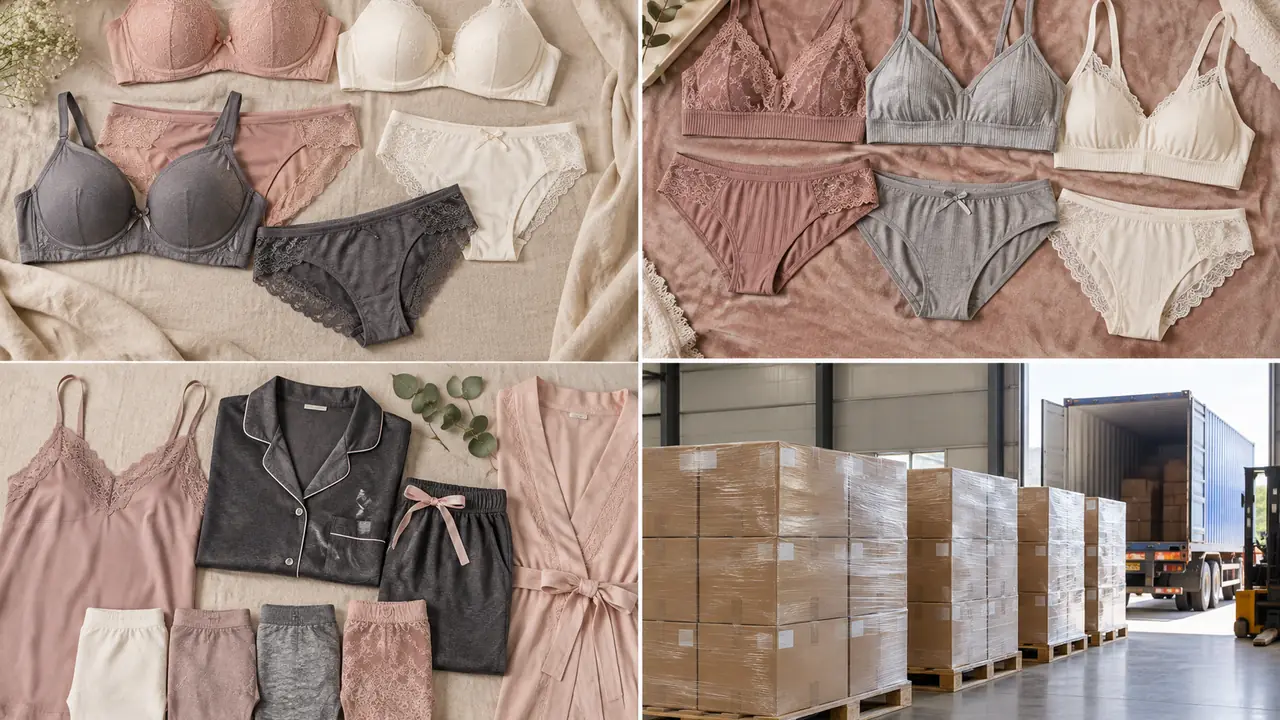
The same balconette sells differently in a brand catalogue, a DTC store, a marketplace listing and a hotel amenity kit. These are the programs built most often, each with the formats, documents and color ladders that channel tends to need.
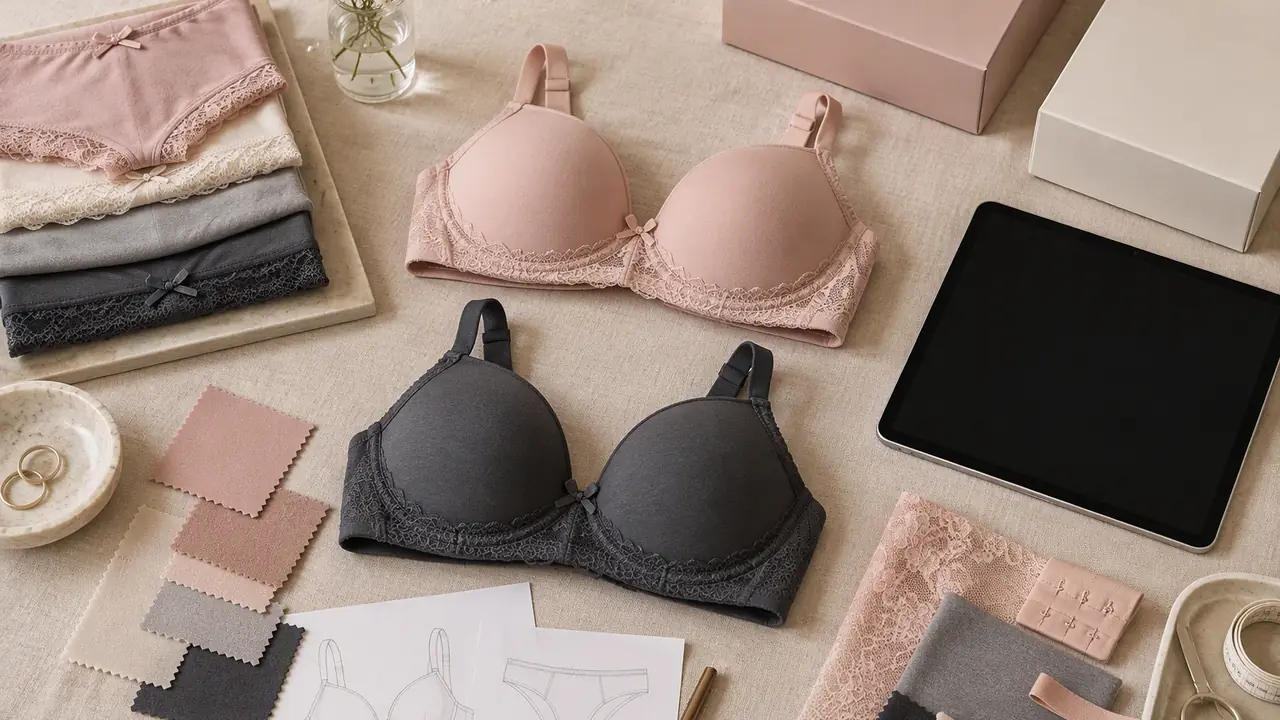 Brand ownersCustom colorways, retained swatches, grade files and certificate packs for branded intimate apparel ranges.View program
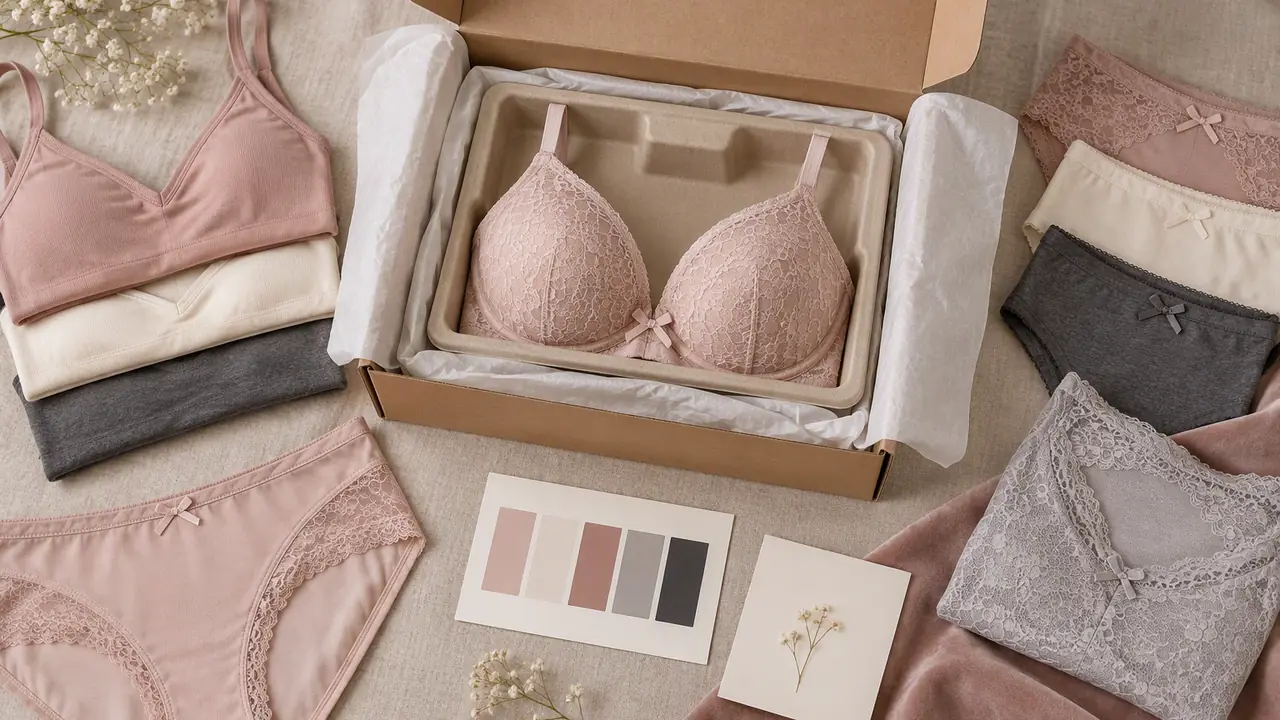 DTC brandsSmall-batch drops, sample programs, retail-ready packaging and fit content that keeps returns explainable.View program
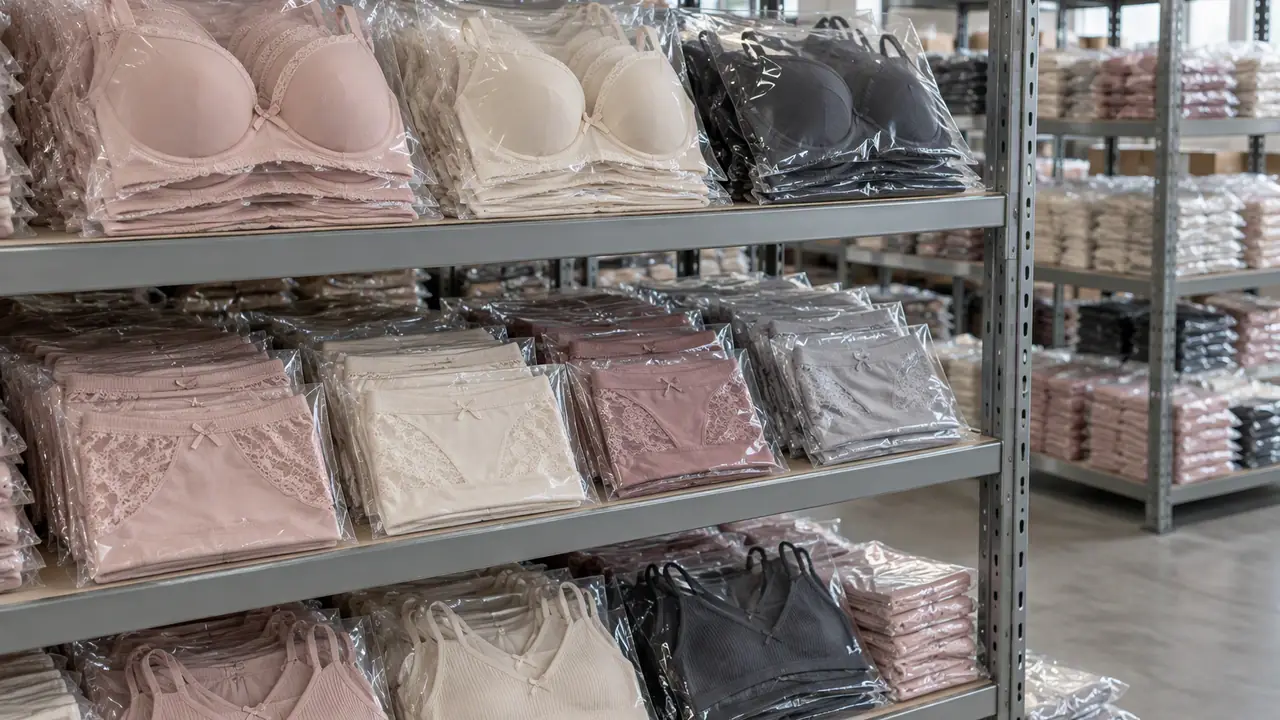
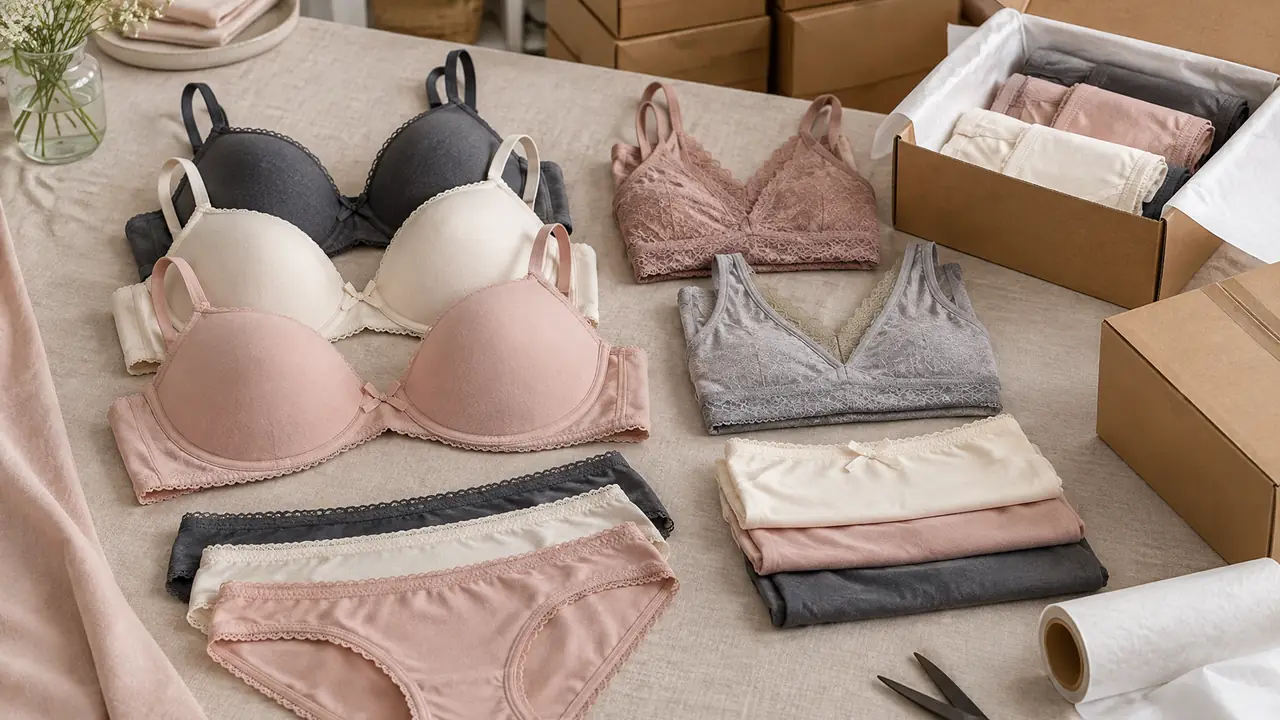 Marketplace sellersBrief, bikini and boyshorts packed box-flat, cartoned for transit, with labels and listing content per channel.View program
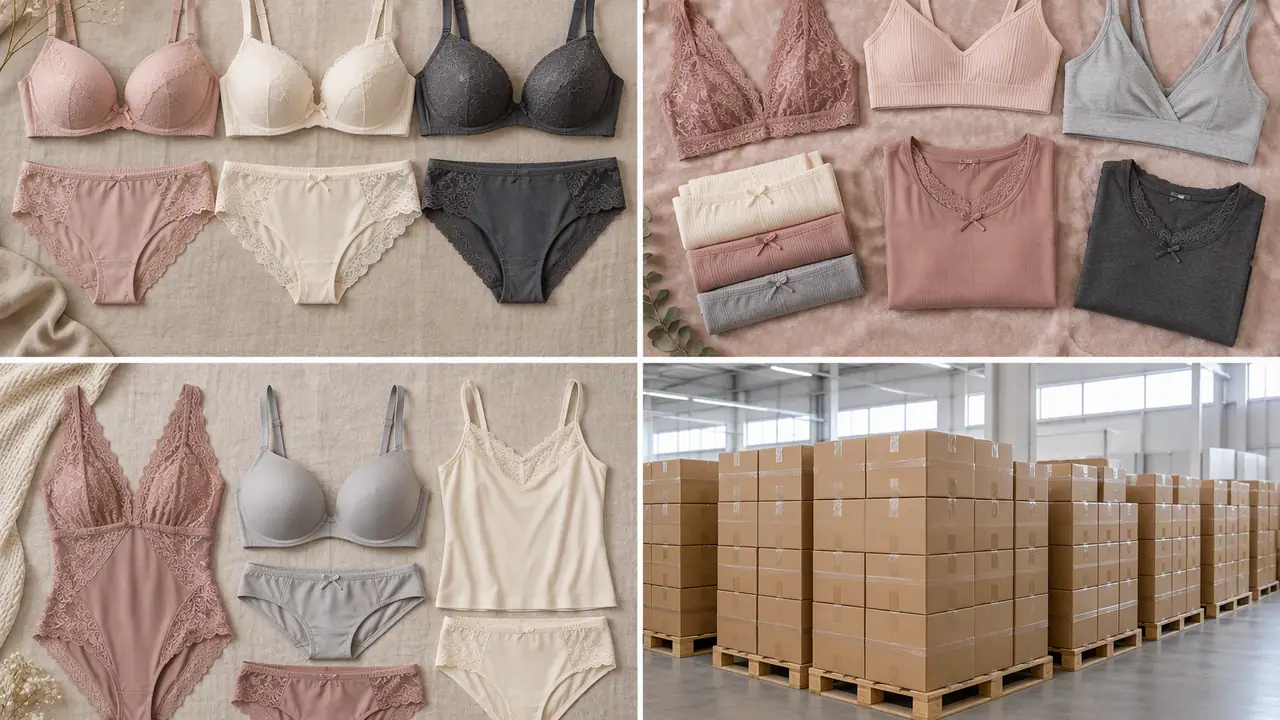 WholesaleColor ladders across eleven lines, depth per colorway, mixed containers and replenishment batches.View program
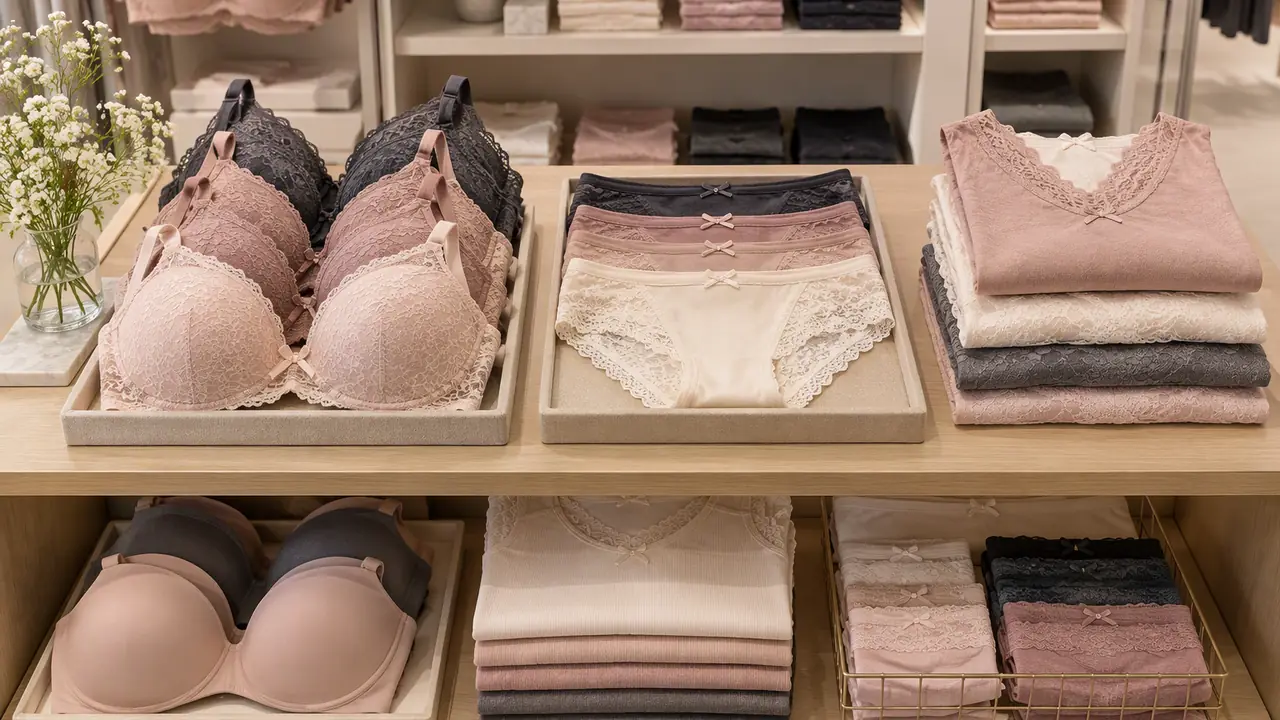 Retail chainsOwn-brand brief, bikini and wireless programs with shelf-ready packaging and a compliance file per market.View program
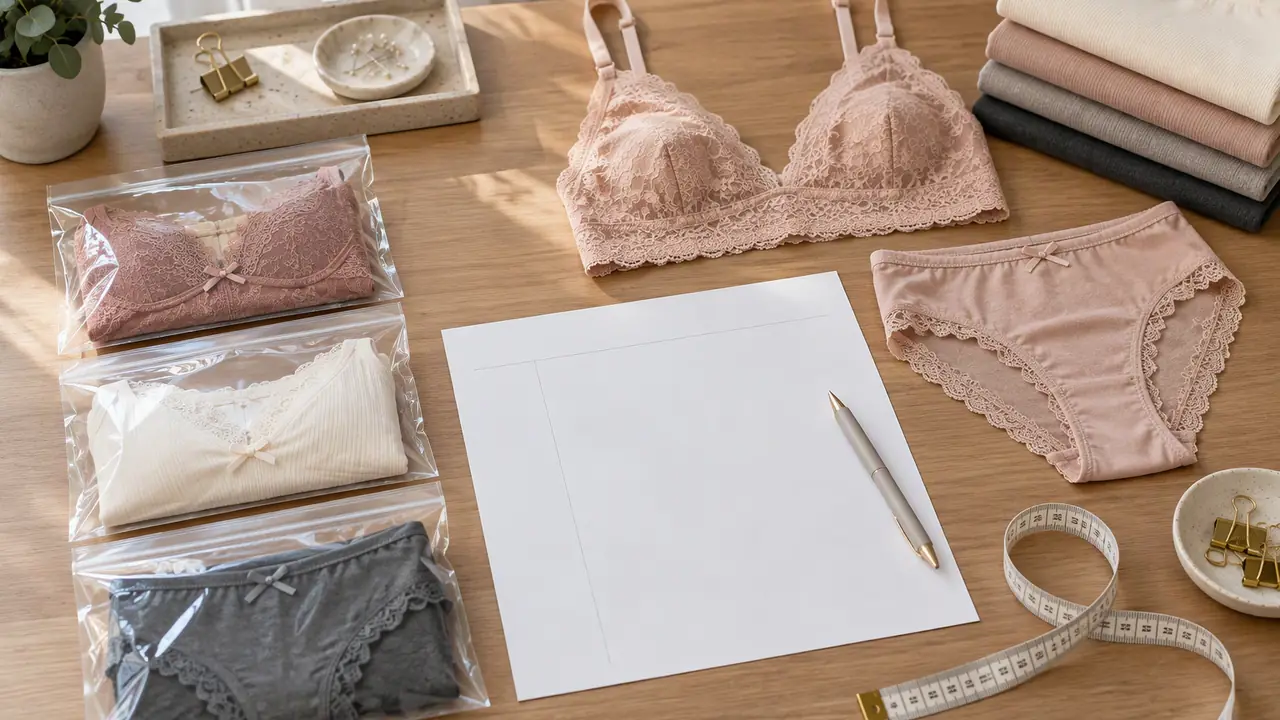 AgentsAudited plants, written inspection plans, consolidation manifests and document packs for client handover.View program
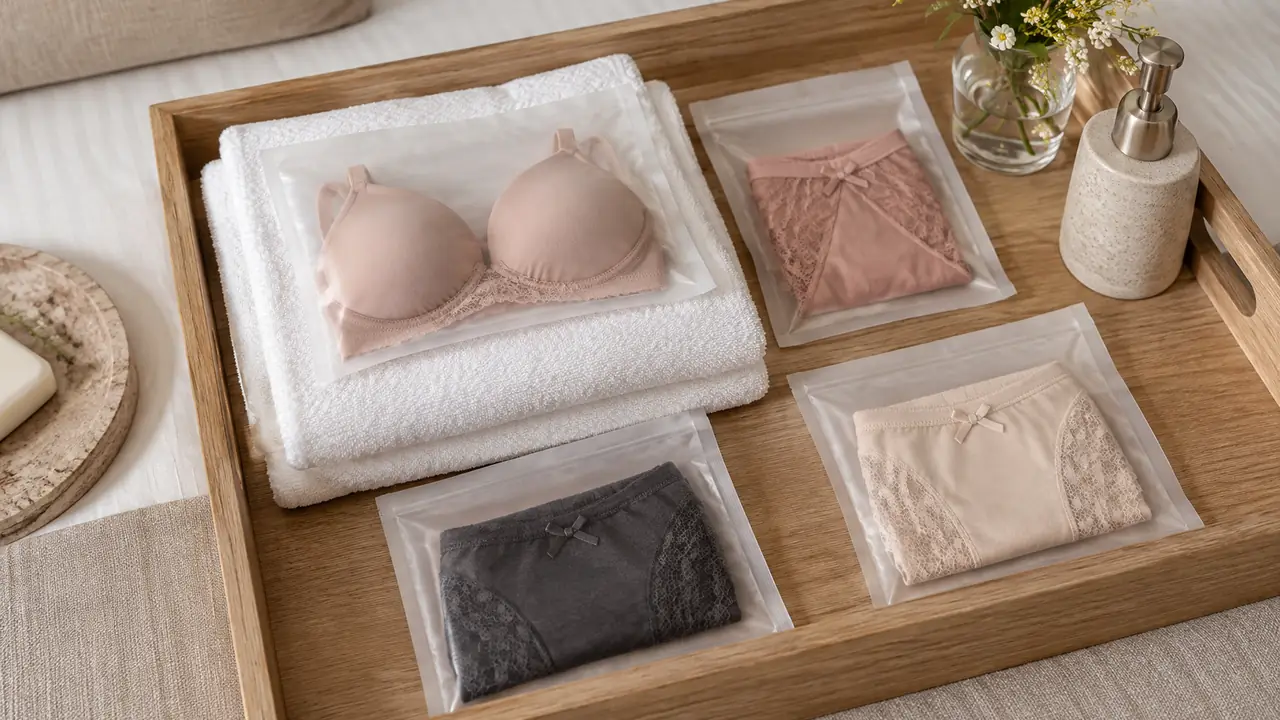 HospitalitySealed single-use brief and bikini kits for hotels and spas, specified per property and boxed for travel.View program
Chinese intimate apparel making is concentrated in a few places. Shantou's Chenyuan and Gurao districts are known as the underwear capital, with over 2,000 plants and bra production contributing more than 60% of the local GDP. Puning in Guangdong holds the largest share of women's intimate apparel and homewear production in China, with over 7,000 textile firms and a reported output of 140 billion yuan in 2025 per local government data. Foshan and the Yiwu belt add design depth and seamless capacity. The desk shortlists plants per line and per fabric family rather than routing everything to one supplier. See industry clusters and how plants are audited.
Intimate apparel quality shows up in things you can measure: band circumference and cup depth against the size chart, elastic recovery after stretch, color fastness to washing and rubbing, pH value against the certificate, seam strength at stress points, gusset lining composition, and the fit of every component. The inspection plan is agreed before production and the record goes out with the lot. Read quality control and testing and inspection.
Beyond matching lines to plants, most programs need some of the following. Each page explains how it runs and what is confirmed in writing.
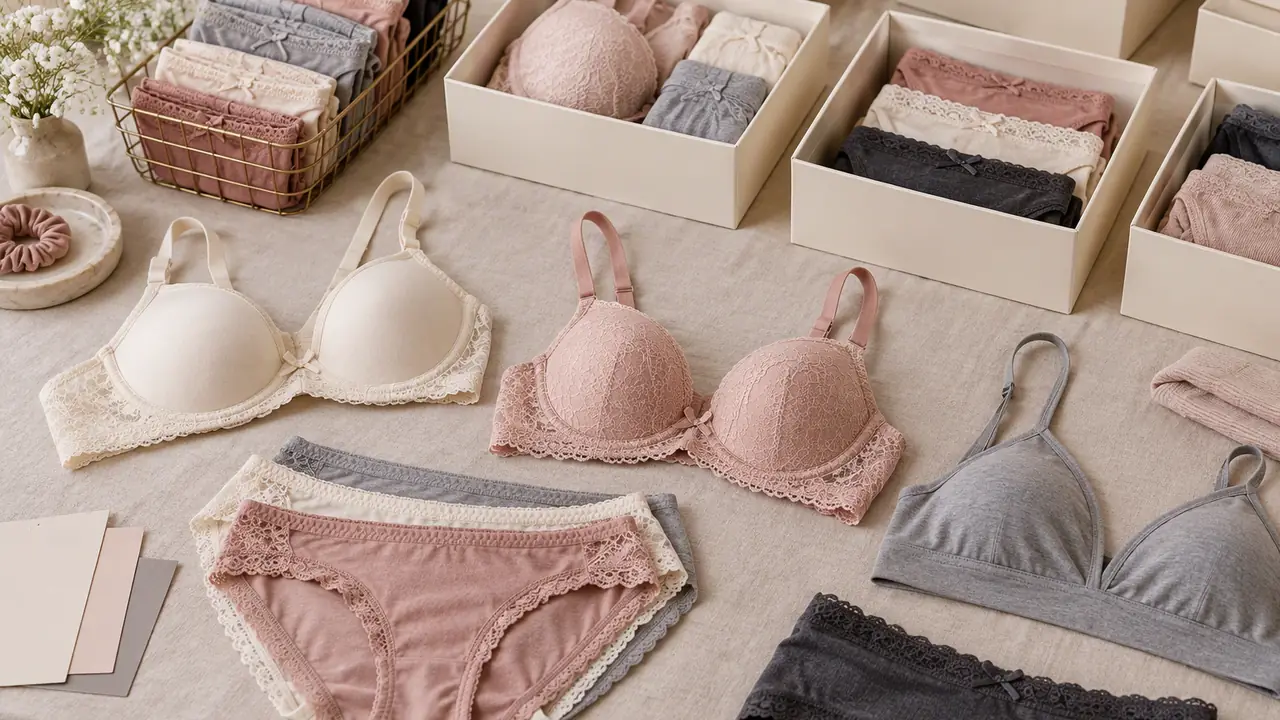 OEM and private labelOEM vs ODM, logo and color card routes, sample stages, MOQ ranges by line, confirmed in writing.View line
 ComplianceSix named routes by market, who holds each document, and how the desk verifies papers per project.View line
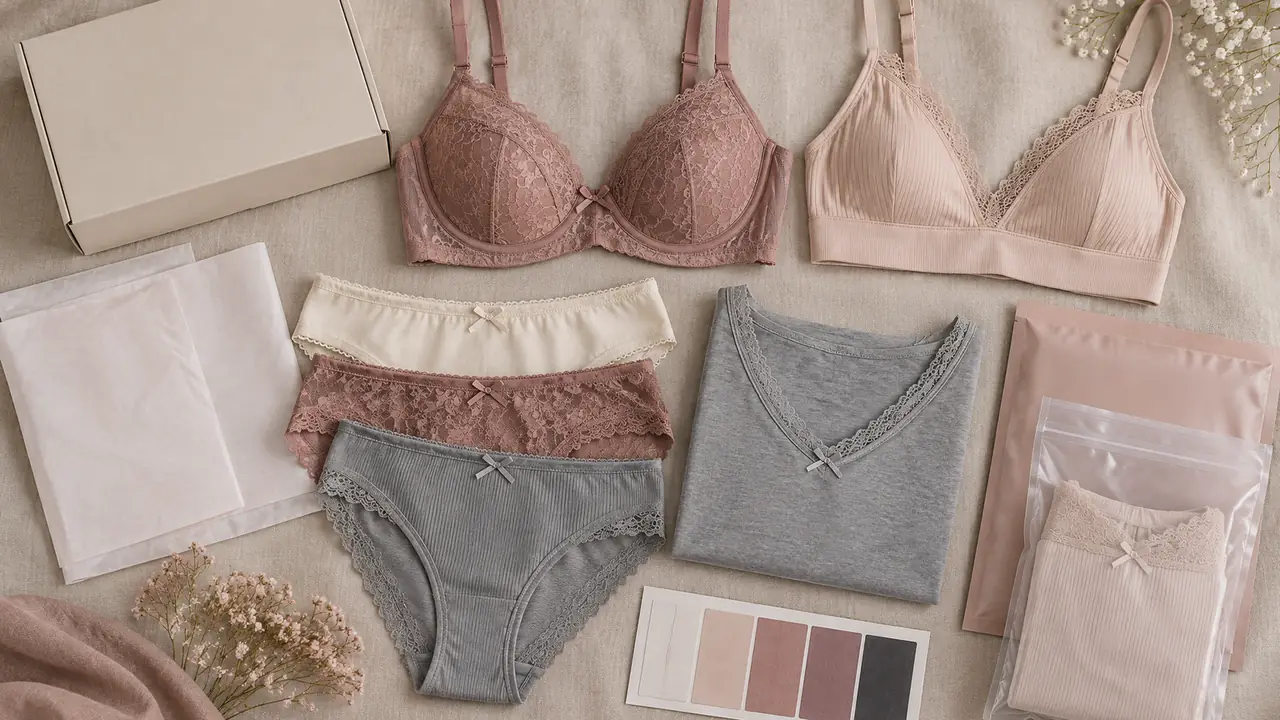 PackagingTissue wrap, color card, retail box, corner-protected cartons, pallet plan; drop test per lot.View line
 LogisticsFCL and LCL ocean, express for samples, air for launches; transit windows and Incoterms per lane.View line
 MOQ and lead timeReference MOQ by line, sample windows and batch lead, all confirmed in writing per program.View line
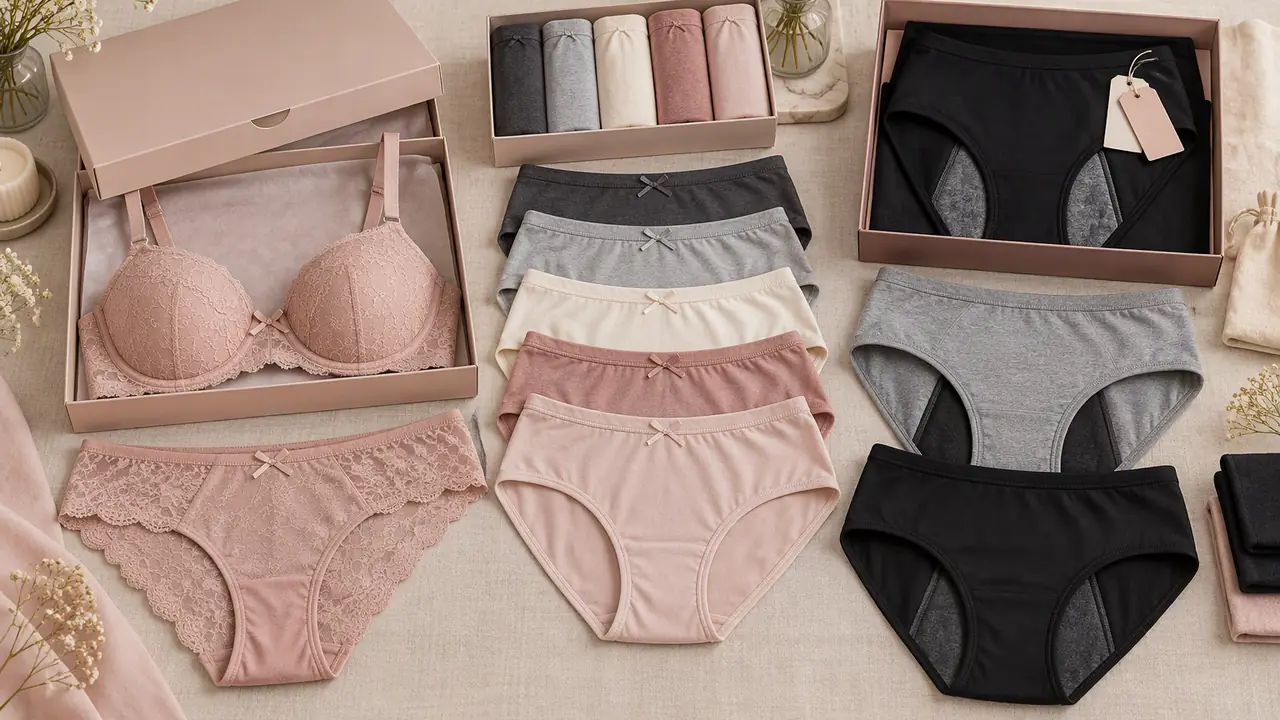 Case studiesFour illustrative, anonymous programs: DTC launch, marketplace range, retail ladder, projects.View line
Intimate apparel is a textile product first. Fabric safety follows OEKO-TEX Standard 100, which tests over 300 harmful substances from yarn to finished product; fiber content labeling follows the Textile Fiber Products Identification Act in the United States; care labeling follows the FTC Care Labeling Rule; and flammability follows 16 CFR 1610. Where a children's line is planned, CPSIA applies. Lissea holds none of these certificates itself; partner plant documents are verified per project. Read the fabric certifications guide and compliance, or send the brief to the quote form.
Send the lines you need, target sizes, the quantity per color and your market. The desk replies in writing with matched plants, a spec sheet, certification routes and the reference MOQ.
Request a quote