
Orders and minimums
The question behind most first emails is scale. Reference ranges across the category run 1,000-3,000 pieces per color for a branded bra program, 500-1,000 for a catalog model already in a plant's repertoire, 2,000-5,000 per color for panties and 1,000-2,000 for period panties. Lace and trims carry their own minimums, typically 500-1,000 meters for custom-dyed lace. These are typical ranges, not quotations: the figure for a real program is confirmed in writing once the line, size run and color count are known. Mixing sizes within one color is normal; mixing colors below the per-color minimum usually is not, because each color means its own dye lot. Programs that plan a color ladder - one style in three or four colors - reach the per-color minimum more comfortably than single-color launches, and the desk will show where that line falls before sampling rather than after. The MOQ and lead time page sets out the full table.
Samples and development
Catalog models sample in about 7-15 working days because the pattern and graded blocks already exist. Branded samples - your color, your lace, your logo - take 15-25 days, since elastics and trims are ordered against the approved card. Custom prints and engineered lace add 20-35 days for artwork and strike-off approval. The desk recommends planning one structured revision round rather than three loose ones, because fit comments that arrive as a pack can be answered in a single corrected sample, while comments that trickle in reset the clock each time. Sizing questions sit in the sizing and fit guide.
Lead times and shipping
After sample approval, catalog batches typically run 30-45 days and branded programs 35-50 days; a first full ODM program runs 60-90 days because patterns, grading and trims are all new. Sea freight takes about 15-25 days to the US West Coast and 30-45 days to Europe; express courier runs 5-8 days, and air freight is available for intimate apparel since neither batteries nor liquids are involved. Intimates pack light and compress well, which keeps LCL and air economical for top-up orders between main batches. The logistics page explains carton specifications, packing practice and consolidation.
Testing, certificates and labels
The baseline certificate buyers ask for is OEKO-TEX Standard 100, which covers more than 300 harmful substances from yarn to finished product; it is held by the partner plant per lot, not by the desk. In the United States, fiber content labeling follows the Textile Fiber Products Identification Act, care instructions follow the FTC Care Labeling Rule, and general wearing apparel flammability follows 16 CFR 1610. For the European market, REACH governs substances of very high concern. Children's lines bring CPSIA into scope. Order-specific testing - color fastness, shrinkage, pH, pilling, elastic recovery, and gusset absorption for period styles - is agreed per order and charged separately. The compliance page and the fabric certifications guide give the detail.
Construction and customization
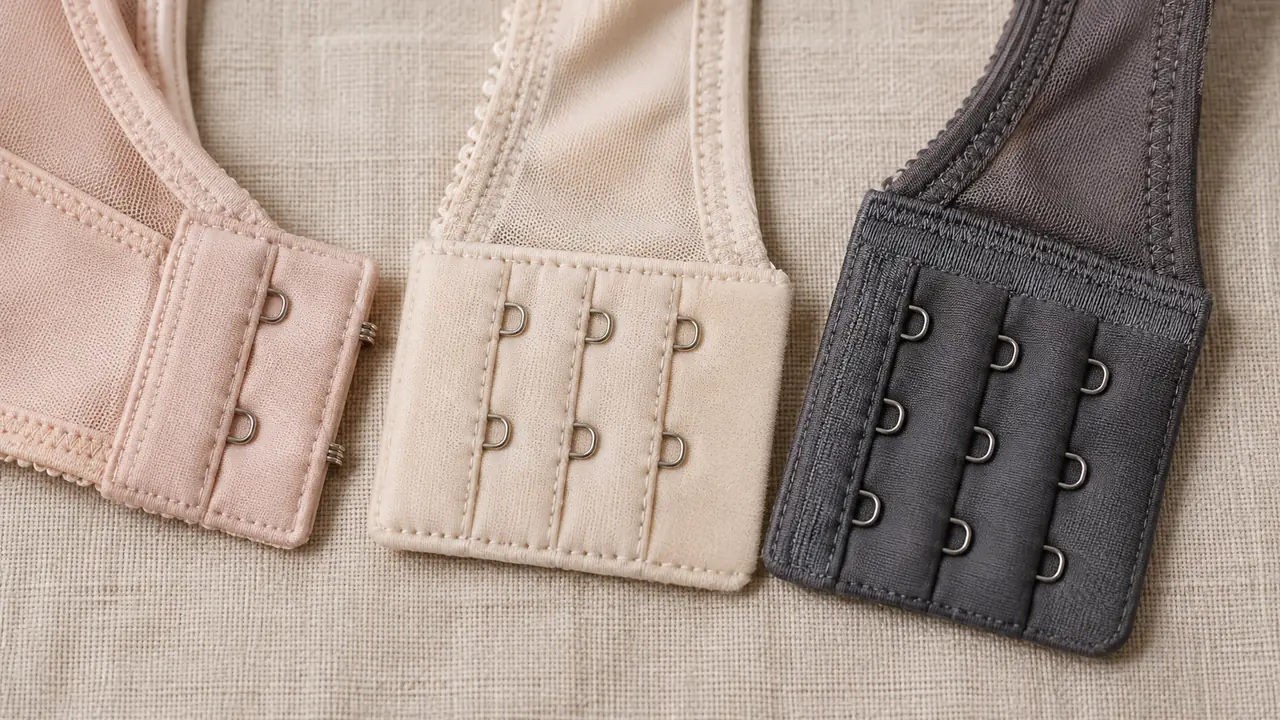
Most questions at sampling time are construction questions: whether a band runs 30-44 or 32-42, whether cups are molded or cut-and-sew, whether a period style uses a four-layer absorbent core, whether a back closure carries two hook rows or four. The line pages carry these options on the construction card so they can be decided before quoting rather than renegotiated after. Private label work - logo placement, packaging, color ladders, woven labels versus printed - is described under OEM and private label, together with the artwork formats a plant needs.
How the desk works
Lissea coordinates partner plants rather than running one: certificates are held by the plants per lot and verified per project, and one contact follows the program from brief to shipment. Questions not answered here usually fall into the sourcing process - what happens after a brief, how plants are chosen, when inspection happens - or into program specifics that need numbers of their own. When a question needs figures attached to it, the quote form is the fastest route to a written answer, because it arrives structured the way a plant will read it. Anything a program depends on - a minimum, a date, a certificate name, a packing format - is settled in writing before production starts, which is what keeps later conversations short.