
How to read these programs
Program one: a two-style DTC launch
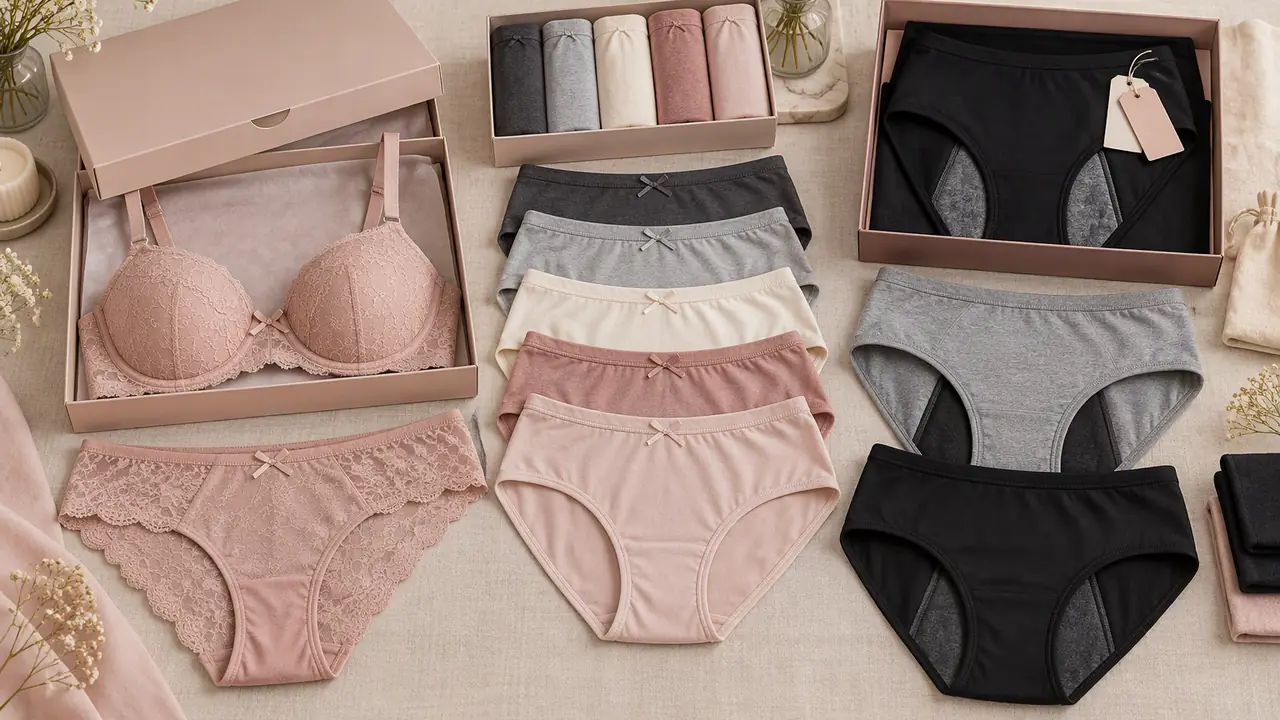
A DTC brand arrived with sketches, a palette and a launch date, and no production history. The desk routed the program as OEM on proven base blocks: a balconette-style construction and a matching brief, in four colors anchored by one core shade and three seasonal ones. The color card froze after the first lab dips; the branded sample landed inside the standard 15-25 day window; the sealed sample and spec sheet closed at approval. The first batch ran inside the private label ranges - the bra at the 1,000-3,000 pieces per color mark and the brief inside the panty range - and shipped LCL to hold the date without paying for a container it did not fill. The pack was staged: tissue wrap and color card for launch, retail boxes added on the refill once folded dimensions were stable.
The lesson the program shows: a narrow first range with one anchor color moves faster than a wide range with six shades, because every color carries its own dye and trim minimums. The channel-specific version of this route sits under DTC brands.
Program two: a marketplace range standardized
A marketplace seller ran many listings in small lots and needed the paperwork and the packs to stop varying from order to order. The desk consolidated the range onto brief, bikini and boyshorts styles with one pack standard: printed poly bag with the suffocation warning per destination, one carton specification, fixed barcode placement, and printed carton marks carrying a program code and size ratio. Quantity followed the panty ranges per color, with colors chosen from the card rather than re-dyed, so lots matched across orders. Inspection sampled per the agreed plan and the record traveled with each lot - which is what platform receiving teams and any later audit ask to see. The full channel logic is on the marketplace sellers page.
Program three: a retail chain color ladder
A retail chain built a private label ladder: core colors that stay on the shelf and seasonal colors that turn over. The desk set the program on the private label route with a retained swatch per color and lamp checks per lot, because the risk in a ladder is not one bad lot but two lots that stop matching. Batches ran inside the 35-50 day private label window on a repeating calendar, with refills planned against sell-through rather than forecasts alone. The chain's buyers received one spec card per style and one color standard for the range, so a panty and a bra in the same named color read as the same color under store lighting - the whole point of a ladder.
Program four: a hospitality and projects order
A projects buyer needed boxed sets for guest programs: a soft, wireless-style construction with matching briefs in a gift set box. The desk routed brief and bikini styles into a multi-piece insert, agreed the label wording per destination market, and ran the lot against the panty MOQ ranges with the box dieline approved parallel to sampling, so the folded garment and the box were developed against the same dimensions. The customs set went to the buyer's broker with composition and packing data prepared, and the HS classification was confirmed with the broker per market before documents were issued. More on this channel under hospitality and projects.
What transfers from these programs to yours
| Program | Starting point | Desk scope | Ranges used |
|---|---|---|---|
| DTC launch | Two styles, four colors, a launch date | Line selection, samples, staged pack, LCL | Sample 15-25 days; batch 35-50 days |
| Marketplace range | Many listings, small lots | Pack standard, carton spec, inspection records | Panties 2,000-5,000 pcs per color |
| Retail chain ladder | Core plus seasonal colors | Color card, retained swatches, refill calendar | Batch 35-50 days private label |
| Projects order | Boxed sets for guest programs | Box program, label wording, customs data | Panty MOQ ranges; box on the sample path |
None of these programs needed anything exotic. They needed a brief that named the channel, a color card that froze early, samples that moved one variable at a time, and documents that made the program portable. Bring your version through the quote form and the desk will map it onto the ten steps, with the applicable ranges from the MOQ and lead time page and the brand layers from OEM and private label. For the first-range plan in detail, see building a lingerie brand line.