
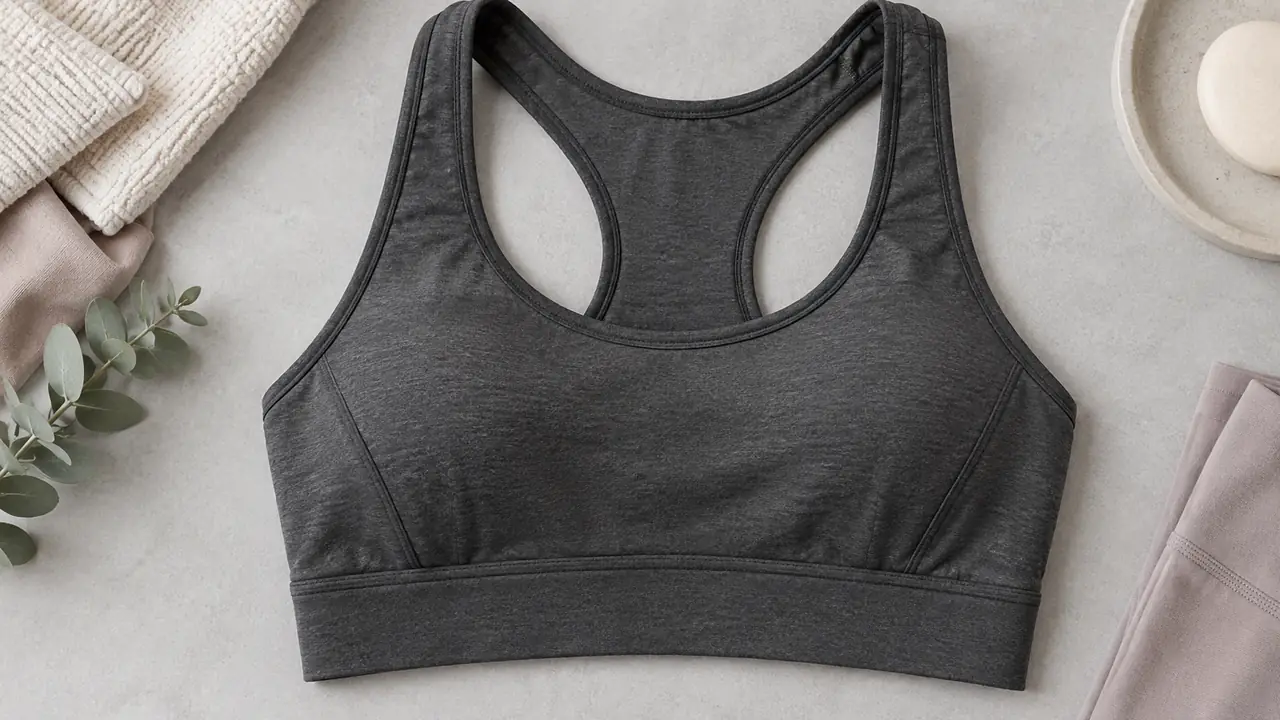
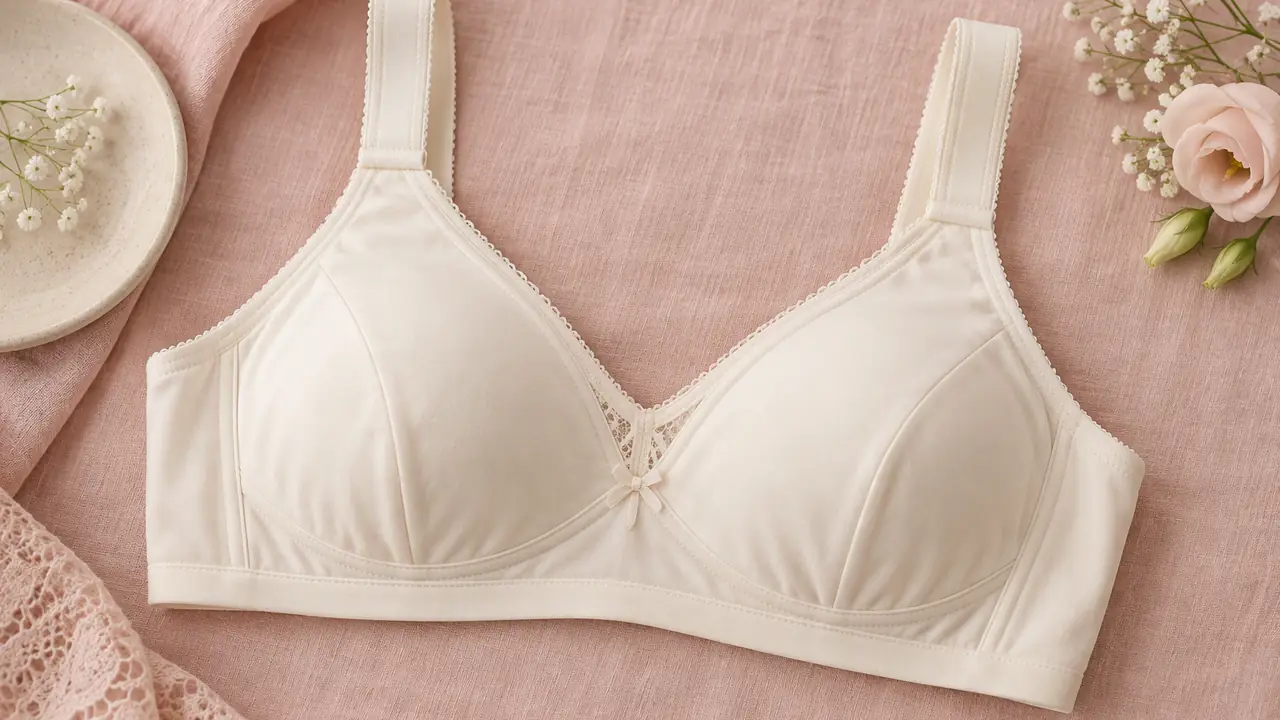
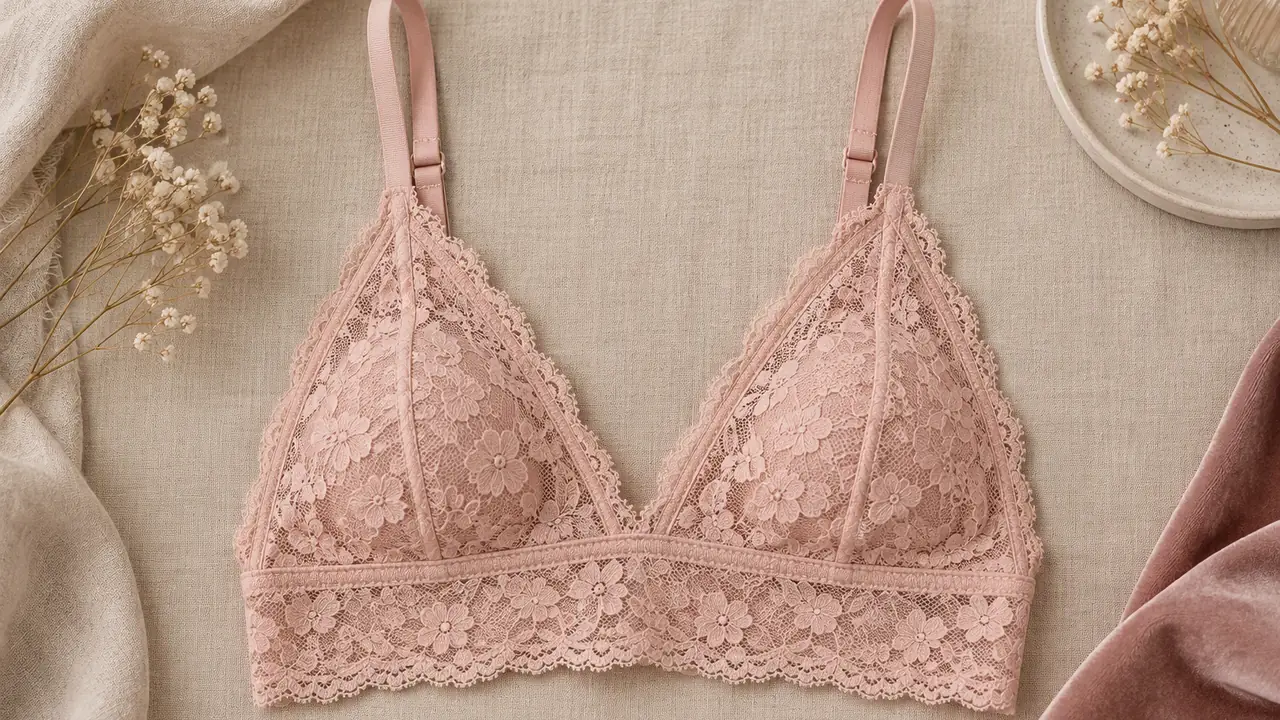
Six lines, one program plan
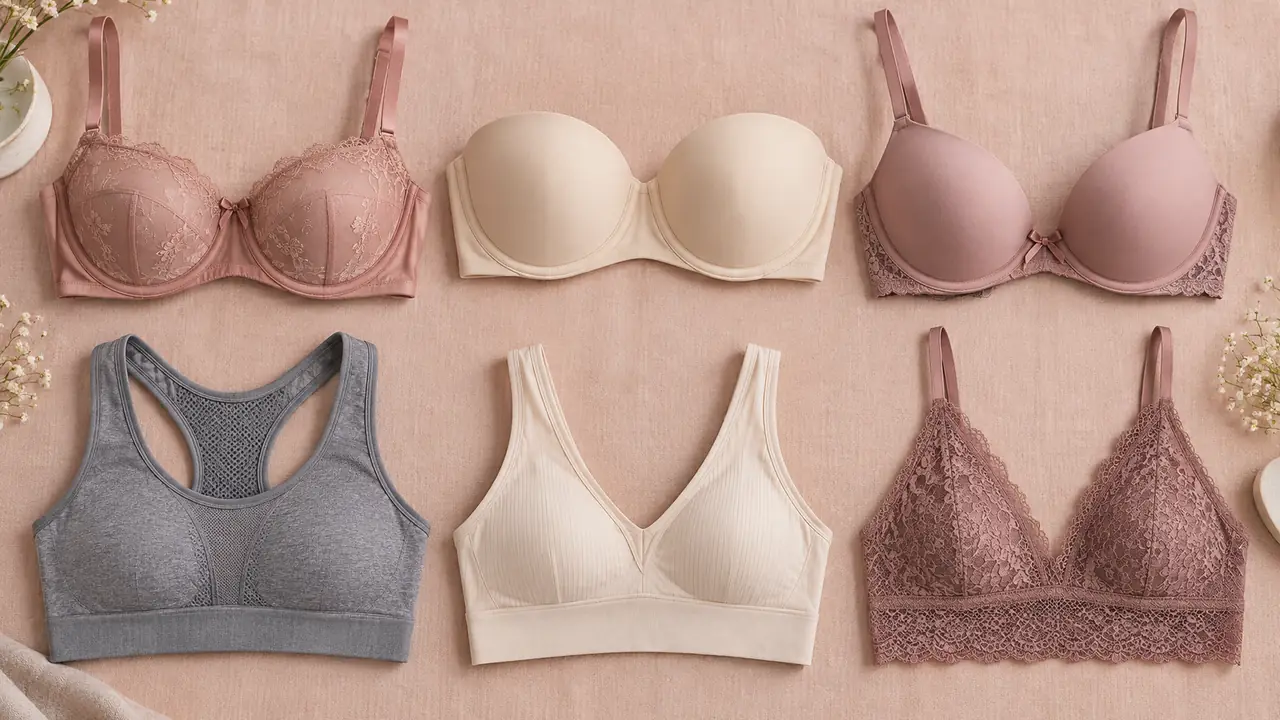
A bra program rarely fails on one style; it fails on a range that mixes constructions without a plan. The desk organizes the category into six lines - balconette, strapless, push-up, sports, wireless and bralette - because each line carries its own cup tooling, grading rules, hardware set and inspection checklist. A brand that launches two or three lines on consistent size charts and one fabric story spends less on sampling and presents a cleaner shelf than a brand that launches six styles cut from six unrelated blocks.
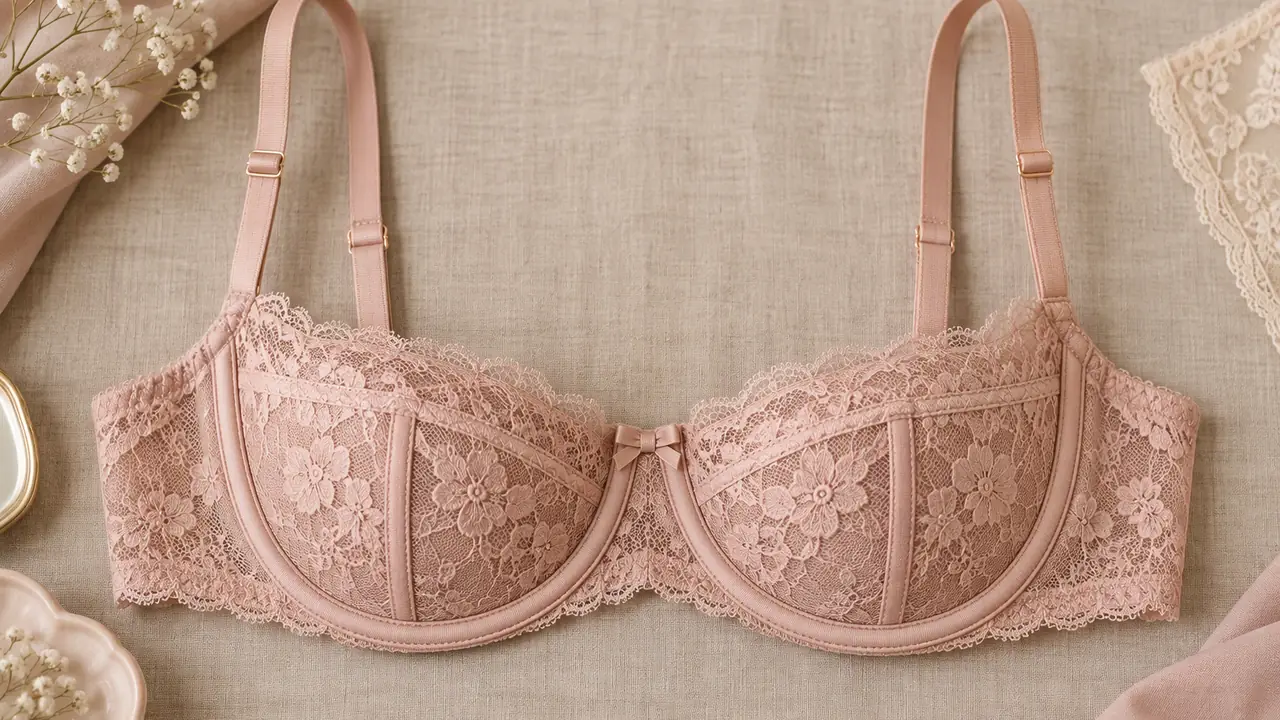
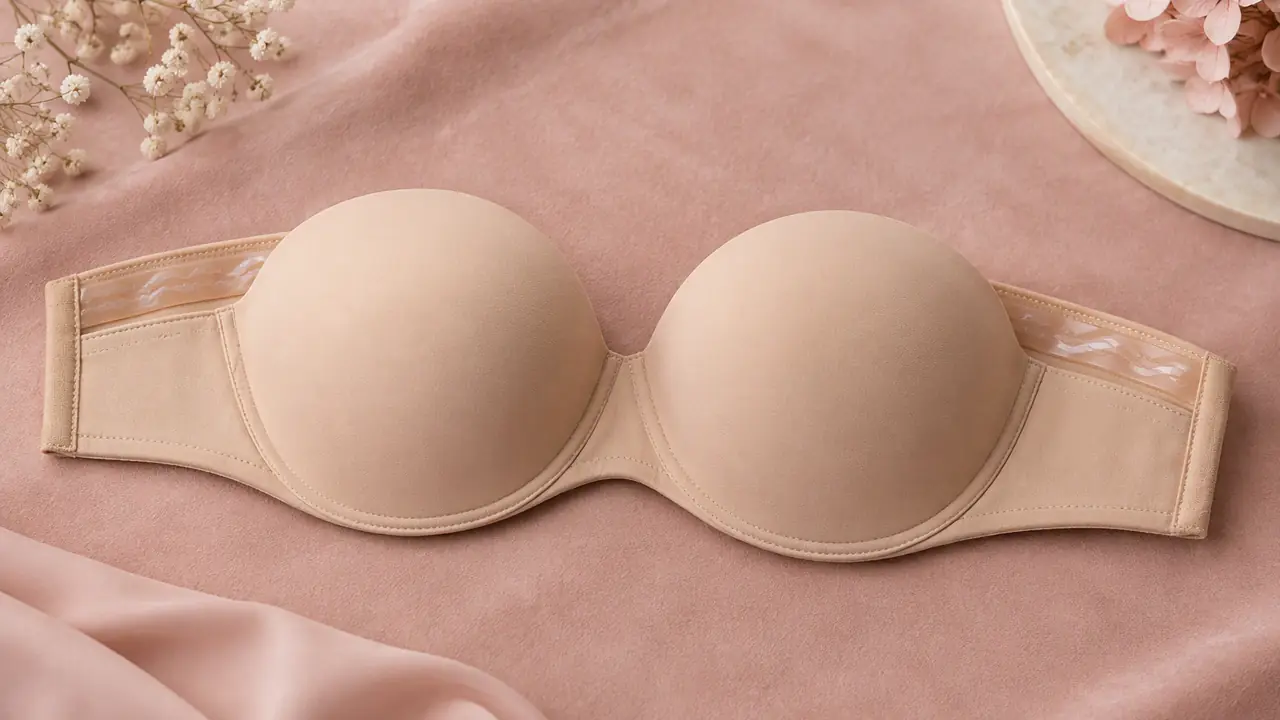
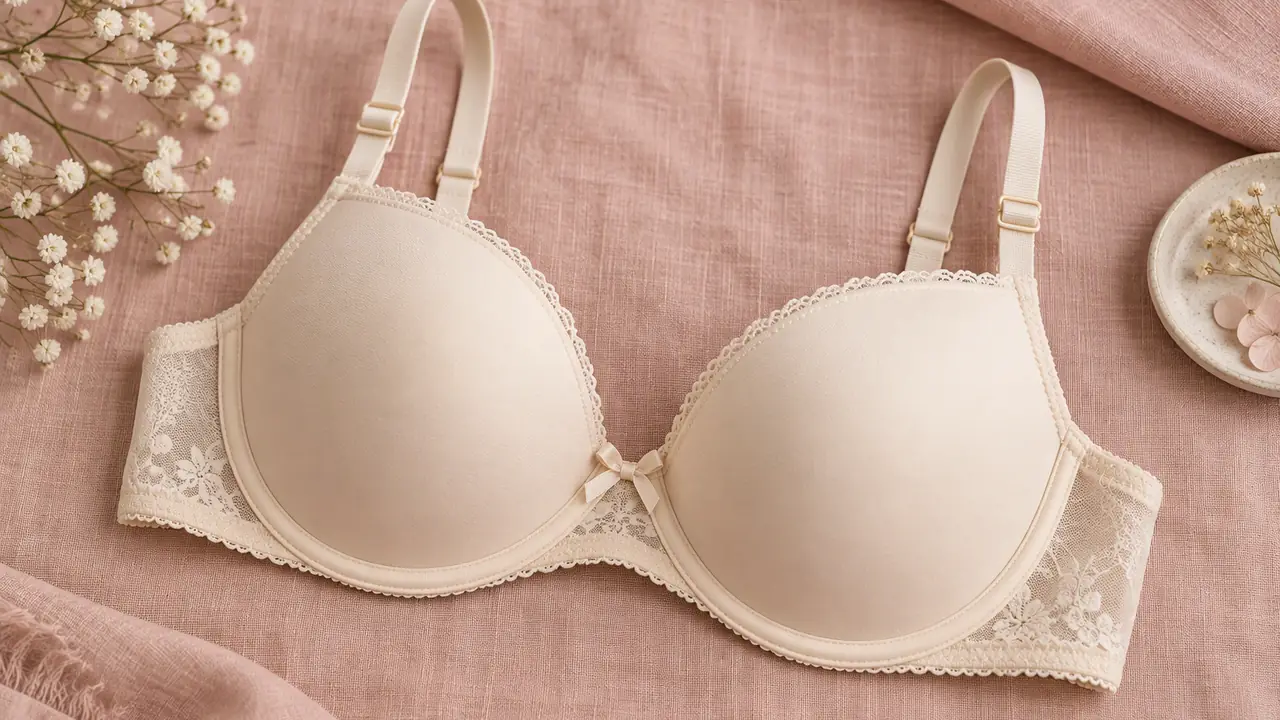
The table below is the map. Each line page opens with a flat product shot and a six-layer bill of materials, so a buyer can specify cups, band, straps, wing, fabric and hardware line by line before any sample is cut.
| Line | Construction | Typical size range | Often chosen for |
|---|---|---|---|
| Balconette bra | Half-cup, horizontal neckline, wired or wire-free | Cups A-DD+, band 30-44 | First core line for most brands |
| Strapless bra | Silicone grip tape, detachable straps, anchored band | Cups A-DD+, band 32-42 | Occasion wear and multiway add-ons |
| Push-up bra | Graduated padding levels 1-3, removable pads | Cups A-D, band 30-40 | Fashion capsules and gifting |
| Sports bra | Compression or encapsulation, impact grades low to high | Cups A-H, band 30-44 | Activewear lines, size-inclusive ranges |
| Wireless bra | Soft support frame, no metal underwire | Cups A-DD+, band 32-44 | Comfort-first and DTC assortments |
| Bralette | Wire-free, unlined, triangle or sporty cut | XS-2XL | Loungewear, lace capsules, entry programs |
Size ranges are typical across the category and per spec sheet, not a promise about any one plant's grading. The sizing and fit guide explains how a size grid is fixed before sampling starts.
How brands sequence the lines
Most first programs start with one structured line and one soft line. A balconette covers the dressed-up end, a wireless bra or bralette covers the everyday end, and the pair shares a fabric story so the hangtag reads as one collection. Sports bras are usually the second wave: the construction is different enough to need its own block and fit work, but the line widens a brand's size inclusivity because graded sports cups run from A to H. Strapless and push-up styles are extension lines - higher tooling discipline, narrower size runs, and strong sell-through around occasion and gifting seasons.
The bra types guide compares the six constructions in detail, and the bra types explained post is a plain-language version to share with a team that is new to the category.
What stays the same across every line
Three things do not move between lines. First, fabric safety: OEKO-TEX Standard 100 per certificate per lot is the baseline the desk asks partner plants to evidence, covering more than 300 harmful substances from yarn through finished garment, elastics included. Second, labeling: United States programs carry fiber content under the Textile Fiber Products Identification Act, care instructions under the FTC Care Labeling Rule, and general apparel flammability under 16 CFR 1610. Third, documentation: certificates are held by the partner plants per lot and verified per project, never claimed by the desk itself. The fabric certifications guide lists the full route, and the compliance page shows how documents are packaged for import.
MOQ and lead time by line
Wired and molded lines - balconette, strapless, push-up, sports - typically sit at 1,000-3,000 pieces per color for private label work, with catalog models on some blocks available from 500-1,000 pieces per color. Bralettes and seamless-knit wireless styles often carry the lower entry because they borrow existing blocks and need little tooling. Samples run 7-15 working days for a catalog model and 15-25 days for a branded sample; batches run 30-45 days for catalog work and 35-50 days for private label, with a first ODM program at 60-90 days. Every figure on this page is a category reference; program figures are confirmed in writing before a deposit. The MOQ explained post covers how factories count quantities.
How the desk runs a bra program
- Line mix and size grid confirmed against the brand plan and the sizing guide.
- Plant shortlist by construction: cup molding for molded lines, cut-and-sew benches for lace work, seamless knitting where the style allows.
- Development samples on the agreed block; fit comments consolidated into one revision round.
- Pre-production sign-off: size set, color under a standard lamp, label set and packaging.
- Batch production with in-line checks against each line's six-layer card.
- Final inspection, document pack and shipment booking; see quality control and logistics.
Where the lines are produced
The Shantou cluster in Guangdong - Chendian and Gurao - is the reference base for wired and molded bras, with roughly 2,000-2,100 intimate apparel enterprises in the area and bra work anchoring more than 60 percent of Chendian's town economy by local government figures. Puning adds depth in women's underwear at national-first scale, with more than 7,000 textile and garment enterprises across its belt; Yanbu in Nanhai handles design-driven and high-end OEM work, and Yiwu concentrates seamless and thermal knits that wireless styles sometimes borrow. The desk shortlists across these clusters per program rather than per order; see the clusters.
To start a range, send the line mix, size grid and intended market through the quote form, or read how OEM and private label programs are structured first.