
Two hubs, eleven lines
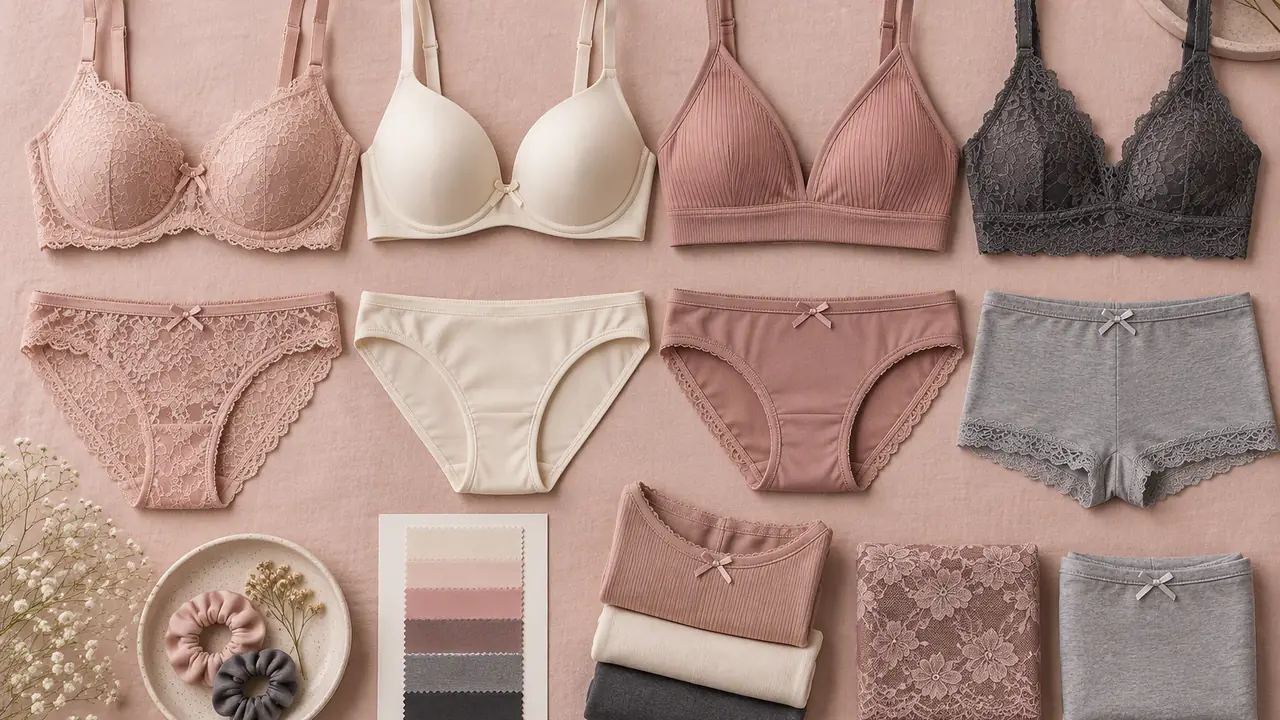
The catalogue is organized the way buyers actually plan it: a bras hub carrying six constructions and a panties hub carrying five, with a concept page that explains how the pieces of an intimate apparel program fit together. Each line has its own page with a construction card, so a brand that launches one style can add the next without changing suppliers, elastics or color standards in the middle of a range. For a new buyer, the desk usually suggests reading the hubs first, then opening the two or three line pages that match the brief.
The bra lines
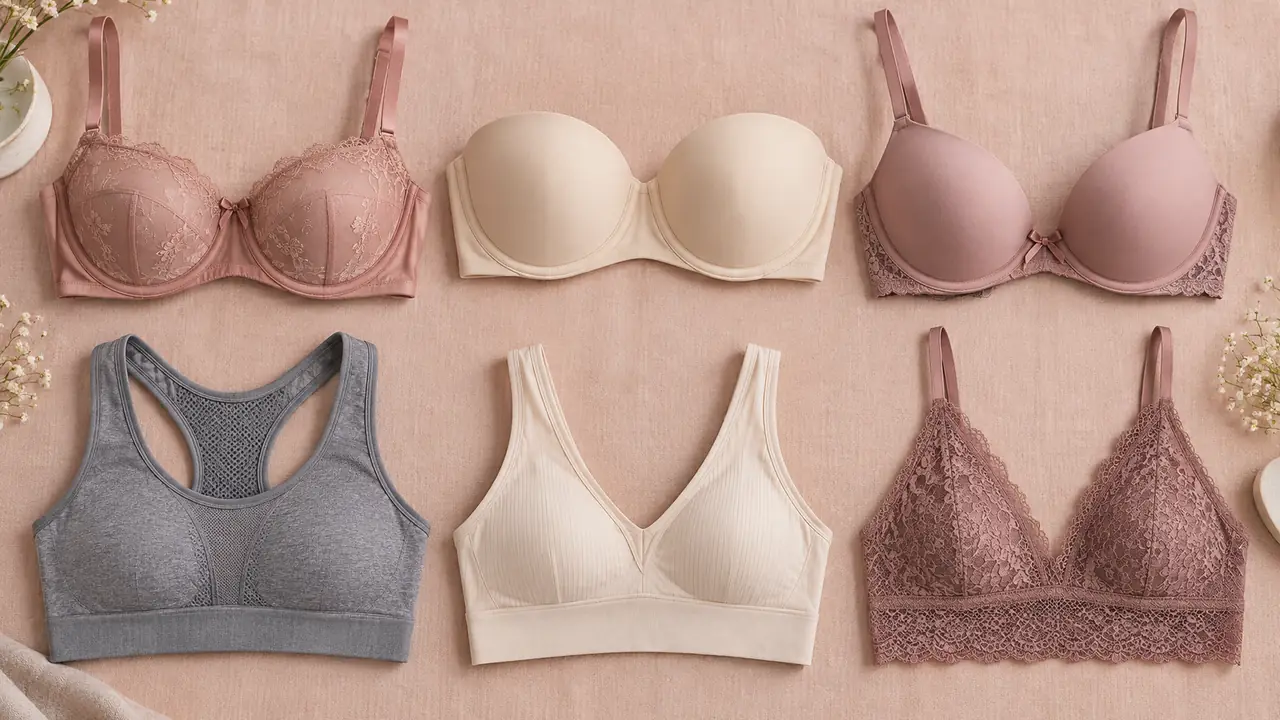
Six constructions cover the range most labels plan first:
- Balconette. The half-cup style with a horizontal neckline that anchors most launch collections; the balconette page carries the full card.
- Strapless. Silicone grip tape and convertible straps for smooth-shoulder dressing.
- Push-up. Graduated padding in levels one to three, removable pads on request.
- Sports. Compression or encapsulation builds, impact levels from low to high, four-way stretch fabrics.
- Wireless. Soft support without metal; the line reordering programs lean on. See wireless.
- Bralette. Unlined and wire-free, sized XS-2XL in lace, cotton or modal.
Across the family, cups run A to H and bands roughly 30 to 44, with the exact grading confirmed per plant and written into the program sheet. The constructions differ mainly in cup depth, band architecture and strap geometry; the layers underneath them are similar, which is why one desk can hold color consistency across all six.
The panty lines
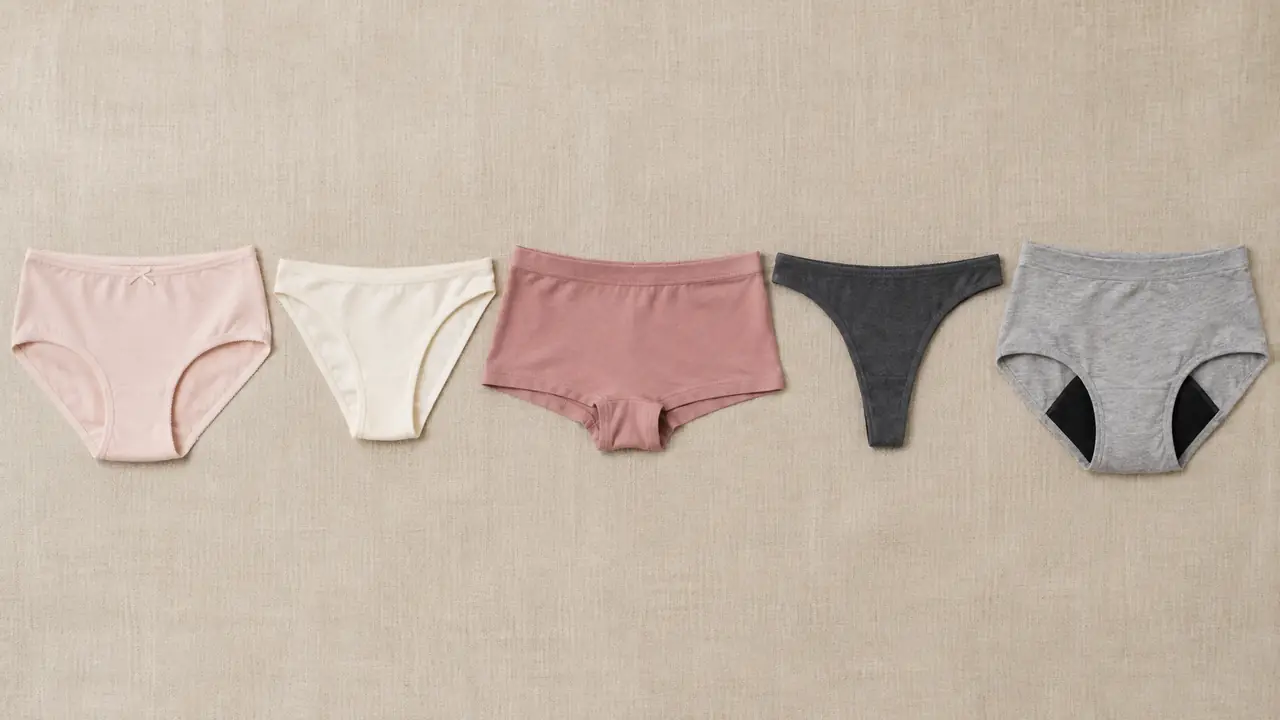
Five cuts cover everyday, fashion and function:
- Brief. Full coverage in high, mid or low rise; the shelf staple for retail chains.
- Bikini. Lower rise with 5-8 cm sides for a narrower leg line.
- Boyshorts. Full seat coverage that sits quietly under structured clothing.
- Thong. T-back construction with seamless or lace edges and a cotton gusset.
- Period. A four-layer absorbent build, leak-resistant per spec, in light or heavy absorbency; the period panties page sets out the layers.
Gusset lining is cotton or modal on every line, and fiber content labeling follows the rules of the destination market, so a panty program planned for the United States carries its composition and care details from the first sample onward.
How to read a line page
Every line page carries the same card. A construction section lists the six layers a plant will ask about - cups, band, straps, wings, fabric, hardware - with the options for each and which of them can be customized. A ranges block collects the size spans, closure options and the reference MOQ and lead ranges typical across the category. An inspection list shows what is checked before a lot ships, and a short FAQ answers what buyers ask most. None of the figures are a datasheet: the numbers a brand prints come from the spec sheet written for its own program, confirmed in writing before sampling starts. Read the card top to bottom once, mark the two or three options that matter to your channel, and the conversation with the desk starts from decisions rather than descriptions.
Matching lines to your channel
The same briefs sell differently by channel. A brand catalogue leans on balconette and wireless with engineered color ladders; marketplace sellers need briefs and bikinis that pack flat and survive standardized listing requirements; retail chains want own-label basics in deep size runs; hotels and projects order briefs and bikinis as amenities. The programs by buyer page pairs each channel with the lines, formats and documents that channel tends to need, so the range is planned once rather than rebuilt per channel.
From line to quotation
Once two or three lines are shortlisted, the desk moves from page to program: confirm sizes and colors, decide between a catalog model and a branded sample, set the reference MOQ against the MOQ and lead time ranges, then move to sampling with the construction card attached. The quote form asks the questions a plant will ask, so the first reply can carry a realistic shortlist instead of a brochure. Programs that start with the card filled in usually reach first samples faster, because the plant is not guessing at cup construction, gusset lining or hook gauge while it quotes.