

Seven programs, one desk
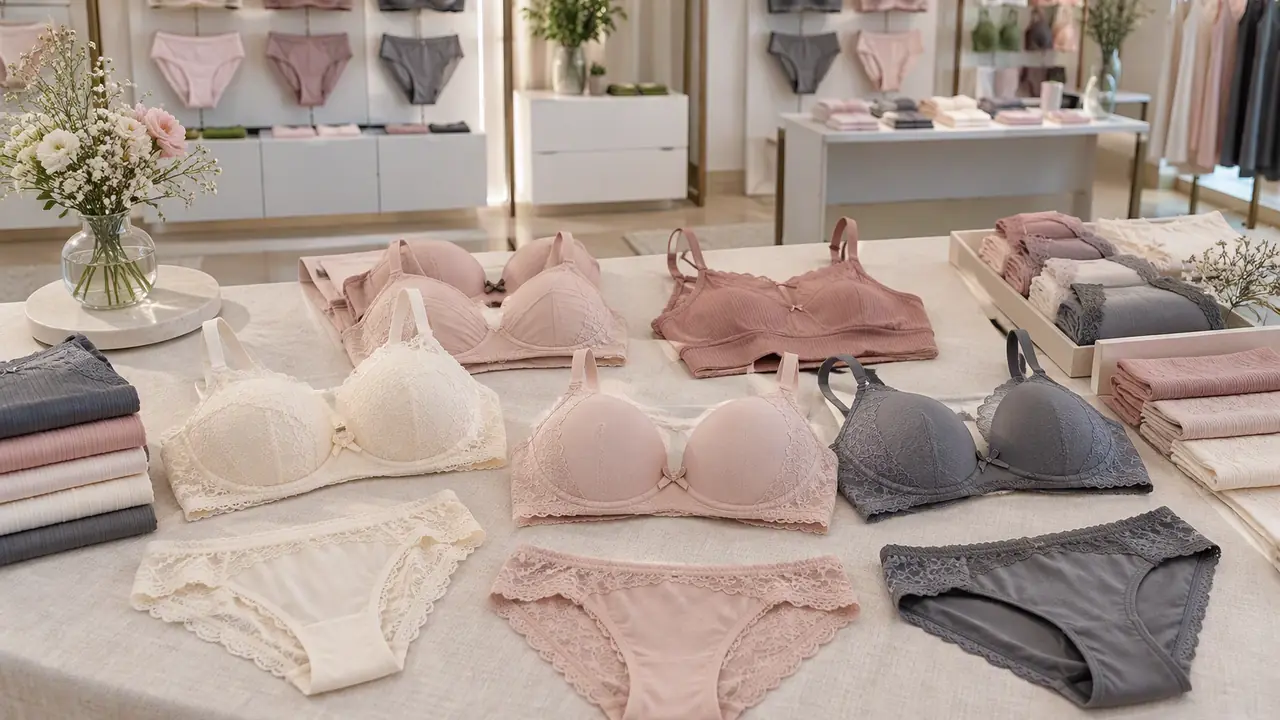
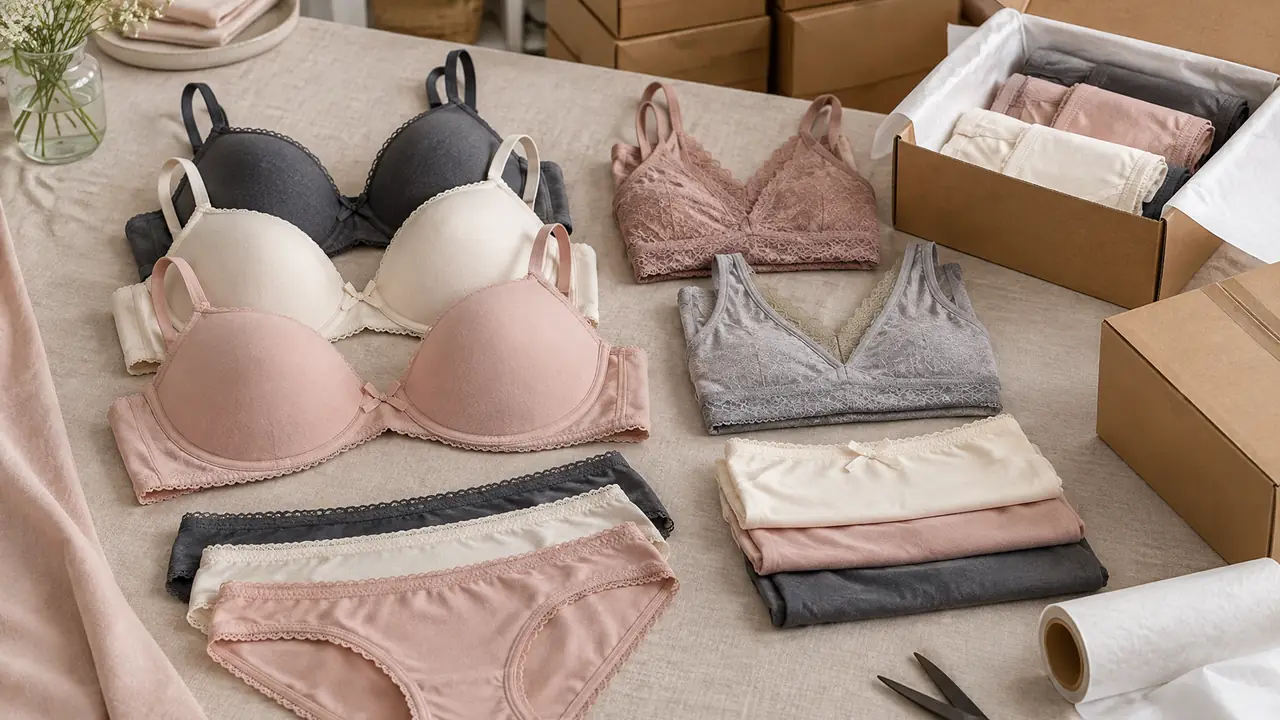
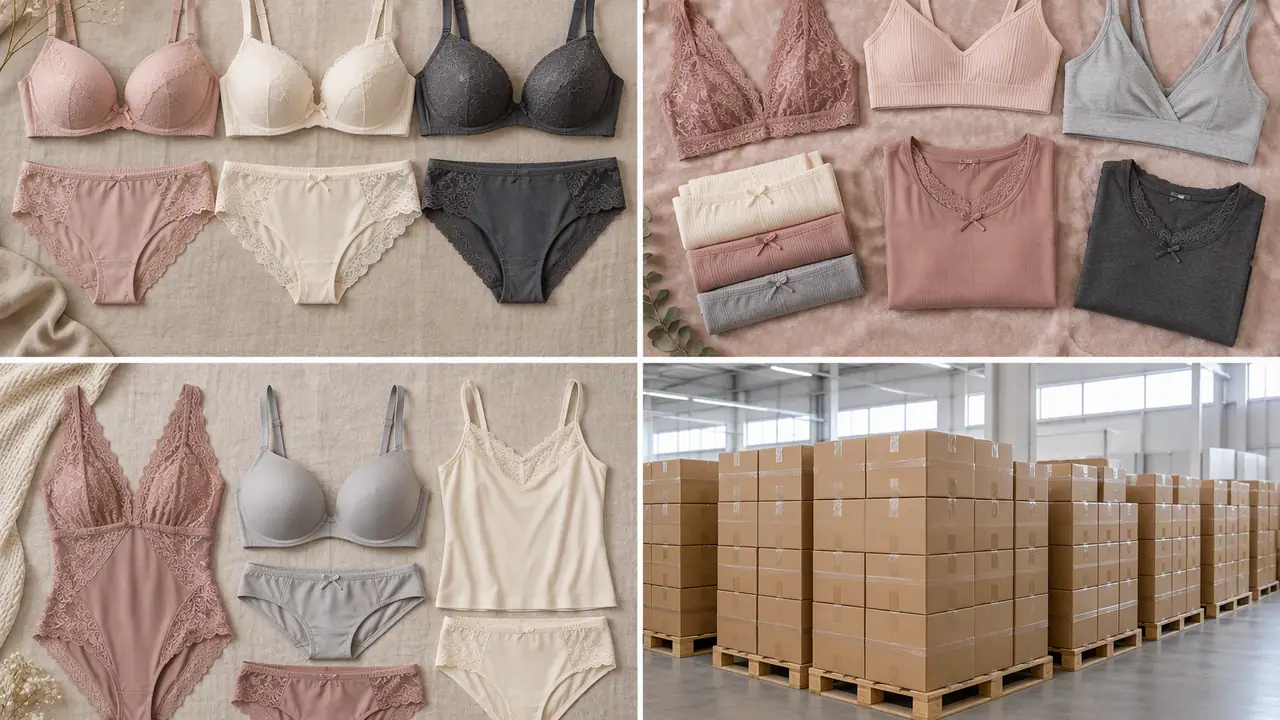
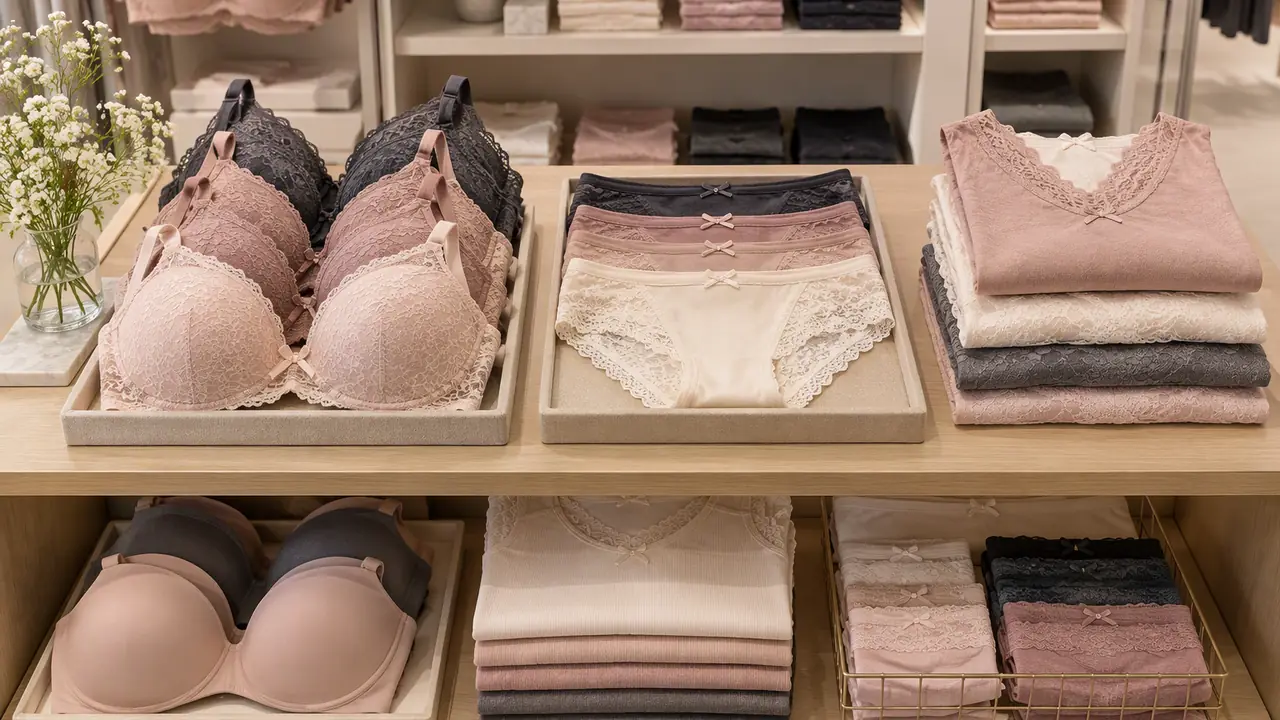
Buyers arrive with different shapes of business, and the same bra or brief serves each of them differently. A brand owner needs a range that reads as one collection. A DTC operator needs drops that photograph well and unpack without damage. A marketplace seller needs units that survive an individual parcel and a label set that passes listing review. A distributor needs depth in the colors that move. A chain needs a pack that faces the same way on every shelf. An agent needs files that satisfy a client who may never see the plant. A property group needs sealed kits counted by the room. Lissea is a sourcing desk, not a factory: the desk coordinates partner plants across the Shantou, Puning, Yiwu and Foshan clusters and runs each of these seven programs on its own terms.
The map below is how the desk scopes an enquiry before any plant is shortlisted. Quantities are typical across the category and are confirmed in writing per program.
| Program | Lines most often specified | Typical start | Core documents |
|---|---|---|---|
| Brand owners | Balconette bra, sports bra, brief | 1,000-3,000 pcs per color (bras) | Color standard, grade file, certificate pack |
| DTC brands | Wireless bra, bralette, bikini | 500-1,000 pcs per color (stock models) | Sample log, packaging spec, fit content |
| Marketplace sellers | Brief, bikini, boyshorts | 2,000-5,000 pcs per color (panties) | Label set, carton plan, listing content |
| Distributors and wholesalers | All eleven lines, by colorway | 2,000-5,000 pcs per color (panties) | Color ladder, depth plan |
| Retail chains | Brief, bikini, wireless bra | 1,000-3,000 pcs per color (bras) | Private label book, shelf pack spec |
| Sourcing agents | All lines, per client | Per client program | Audit file, inspection plan, manifest |
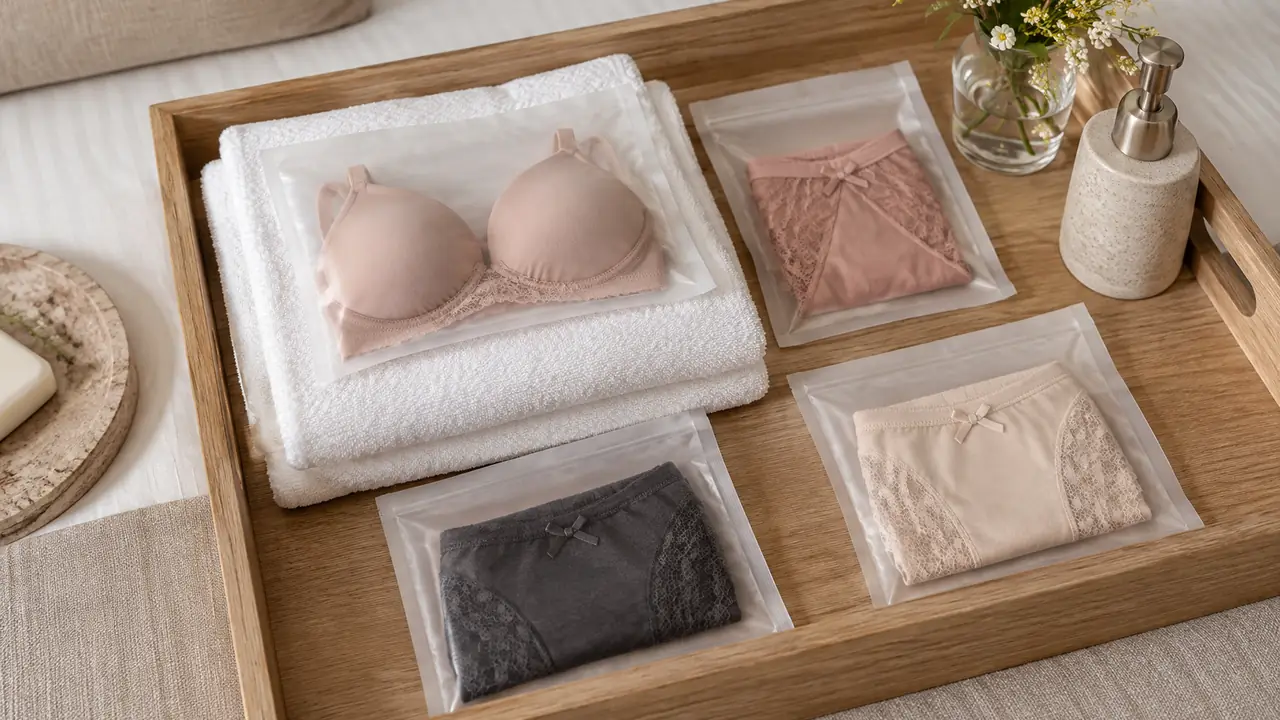
| Hospitality projects | Brief, bikini | Per project sheet | Kit composition, seal and box spec |
A mixed program - a chain that also sells online, an agent serving two owners - combines rows rather than bending one out of shape. Quantities and documents are the starting grammar of a program; the reference ranges behind the third column sit on the MOQ and lead time page, and nothing becomes binding until a program sheet confirms it.
How a program is scoped
Whatever the row, the desk runs the same opening sequence, kept short enough that a buyer can pause after the second step without commitment beyond time.
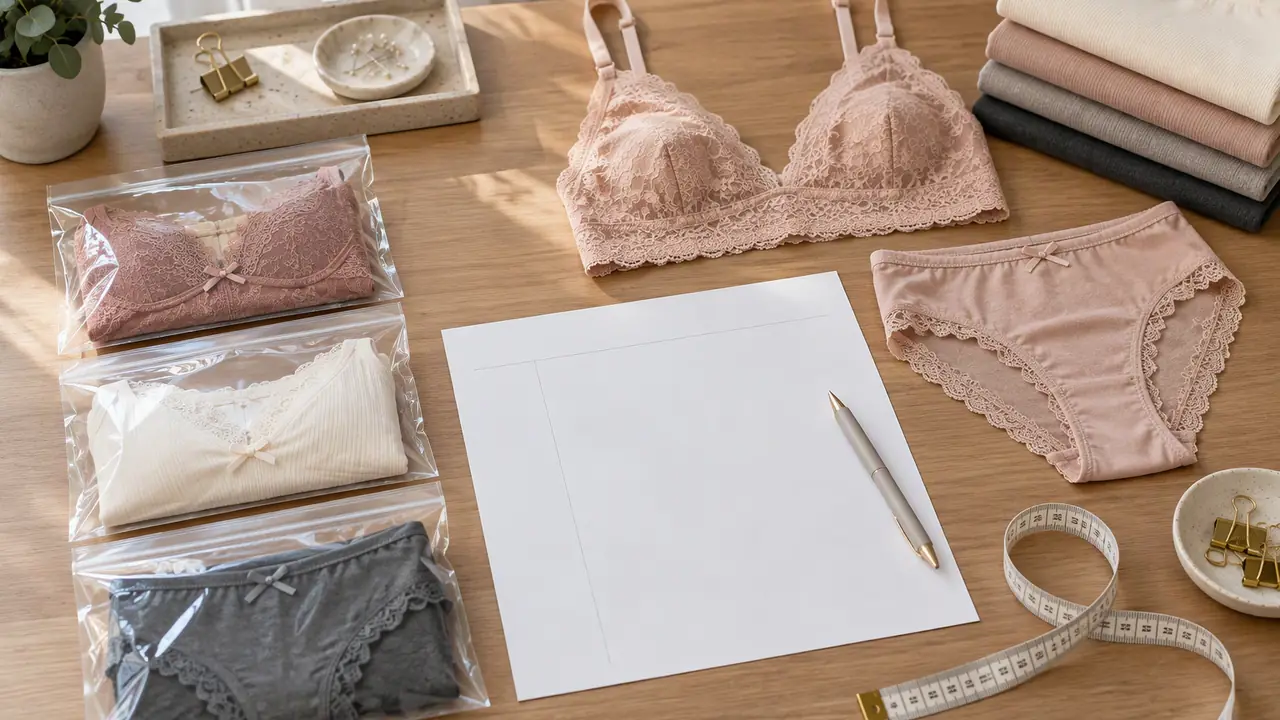
- The buyer sends a brief: lines, markets, quantities per color, packaging channel, and any certificates the channel already asks for by name.
- The desk maps the brief to lines and clusters and returns a written scope: which lines, which plant profiles fit, which documents, which reference ranges apply.
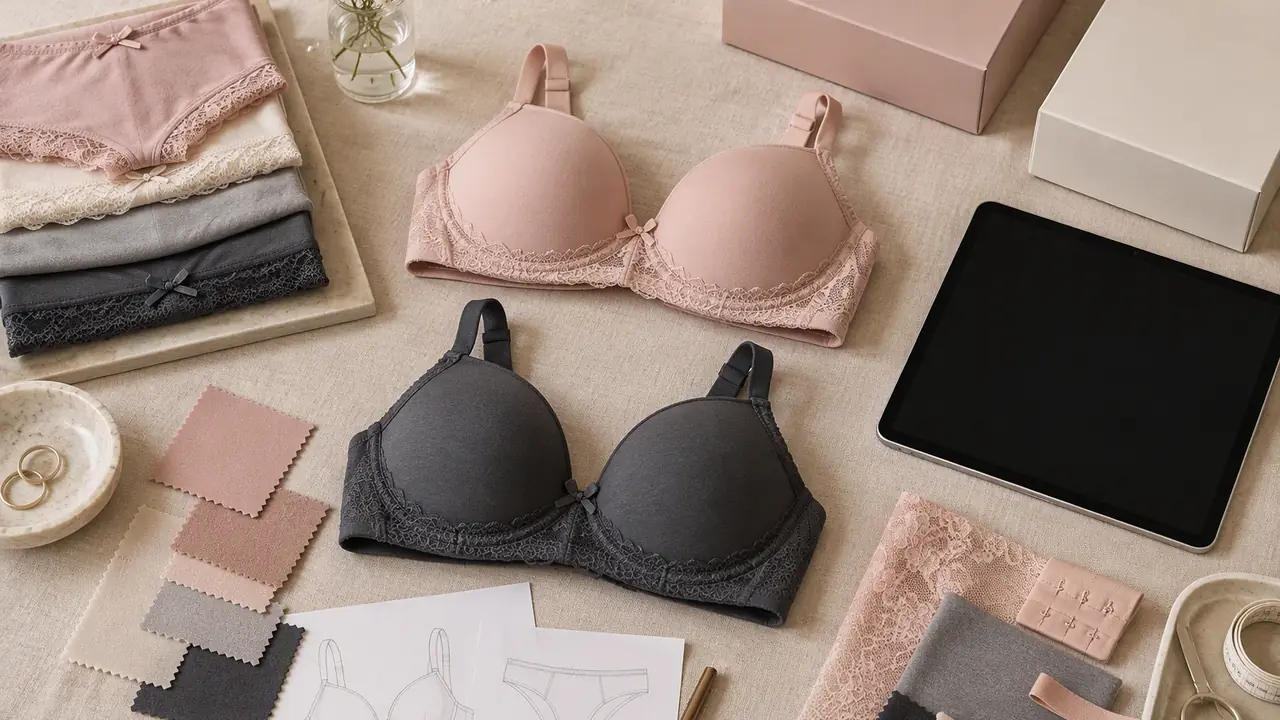
- Samples run against the scope - catalog models first where they exist, branded samples where a logo or colorway is already decided.
- A pilot batch confirms the sample decisions at production scale, with an inspection plan agreed before cutting.
- The program settles into repeat batches, each with the same checks and the same retained references as the first.
Steps three onward follow the timing ranges described below. A brief that arrives rough is still workable: naming what is missing is part of the scoping reply, not a reason to delay it.
What stays constant across programs
Three things do not change with the channel. First, fabric safety: intimate apparel sits against skin for long hours, so the baseline certificate is OEKO-TEX Standard 100 per lot, tested from yarn to finished piece, elastics and threads included. Second, labeling: in the United States, fiber content and origin follow the Textile Fiber Products Identification Act, care instructions follow the FTC Care Labeling Rule, and general wearing apparel sits under 16 CFR 1610 for flammability. Third, records: every lot ships with an inspection record agreed before production, and certificates are held by the partner plants, never by the desk - documents are verified per project. Where a childrens line is planned, CPSIA applies; where an organic claim is planned, GOTS chain of custody travels per lot.
Quantities, timing and logistics
Reference ranges, always confirmed in writing per program: branded samples take 15-25 working days once color and logo are fixed, catalog samples 7-15. First batches run 30-45 days for catalog models and 35-50 for private label, with a first ODM program at 60-90 days. Sea freight remains the default for batch quantities - roughly 15-25 days to a US West Coast port and 30-45 to Europe - while express in 5-8 days covers samples and urgent top-ups, and air is available for intimates because neither batteries nor liquids are involved. Carton plans, mixed containers and consolidation are arranged per program with the freight forwarder of the choice of the buyer or the desk.
Where the plants sit
Lines route to clusters by capability. Shantou in Guangdong - the Chendian and Gurao districts, where more than 2,000 plants concentrate on bras and seamless styles - takes wired and molded-cup work. Puning, also in Guangdong, holds the largest share of women's intimate apparel and homewear production in the country per local government figures, with more than 7,000 textile firms, and adds depth in cut-and-sew panties and lace handling. The Nanhai Yanbu belt near Foshan contributes design and high-end OEM work, and Yiwu concentrates seamless and thermal-capable knitting. The desk shortlists by line and fabric family rather than routing a whole program to one plant, and a program may deliberately split across two clusters when one line needs molding depth and another needs lace speed.
Opening a program
Bring the brief as it exists - even a rough one. Lines guessed, markets probable, quantities per color unknown: the desk returns a scope that names what is missing rather than padding it. The quote form lists what a plant will ask, and a written thread takes over from there. Programs are confirmed in writing before any batch, and every figure on this page remains a reference range until a program sheet says otherwise.