
Choosing the mode
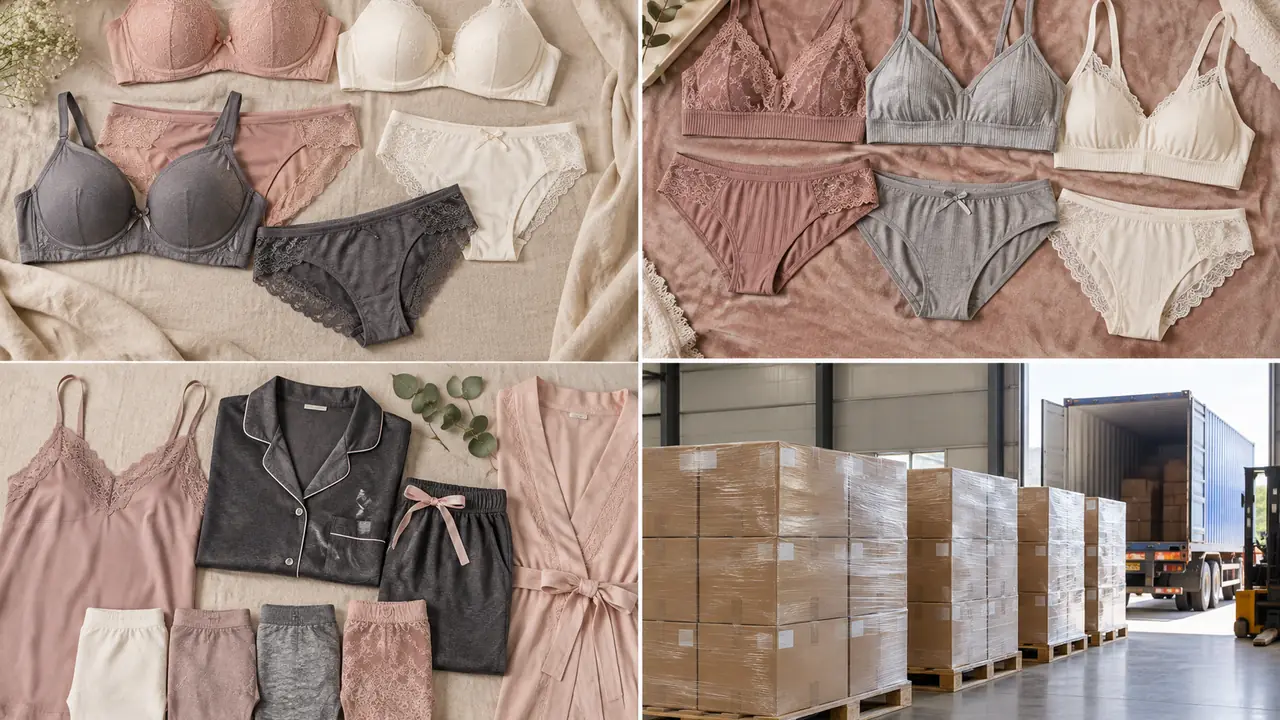
Intimate apparel is light per carton and cube-driven, which shapes the choice. A full container moves a range program or a refill at the best cost per piece; a shared container (LCL) moves a first order without paying for space you do not fill; express parcels move samples; air freight rescues a launch date on mid volumes. The desk books the mode per program and states it on the shipment plan.
| Mode | Typical use | Timing character |
|---|---|---|
| Ocean FCL | Range programs, refills, predictable calendars | Books against vessel schedules; port-to-port windows below |
| Ocean LCL | First orders and top-ups below a container | Adds consolidation days at origin and deconsolidation at destination |
| Express | Samples, sealed samples, small urgent cartons | 5-8 days door to door, typical |
| Air freight | Launch rescue on mid volumes | Days, quoted per lane at booking |
Cube, not weight, decides how many pieces a container takes: molded cups hold their shape and resist over-stacking, so the carton specification and pallet plan affect landed cost per piece more than in flat-packed goods. That is why the packing decisions on the packaging page are made with the lane in mind, not after the mode is booked.
Typical transit windows by lane
Reference windows the desk plans against: US West Coast ocean transit runs 15-25 days port to port; Europe runs 30-45 days. Add consolidation before departure for LCL, and inland carriage after arrival at the destination port. These windows stack after the production window, not inside it - the MOQ and lead time page shows where the production calendar ends and the shipping calendar starts. Actual bookings move with schedules and seasons, so the desk confirms the lane, the cutoff dates and the expected departure in writing per shipment rather than quoting a permanent figure.
Express parcels for samples and approvals
Samples are the cargo a program cannot wait for. Catalog samples, branded samples and sealed samples all move by express at 5-8 days typical, and each parcel leaves with a packing note that names the program, the sample stage and the color references, so customs handling stays uneventful. Approval cycles are planned with that window in mind: two sample rounds plus carriage is a calendar line item agreed at the start, not a surprise discovered mid-program. Carriage for samples is booked under the same trail as the production cargo where the buyer prefers one record.
Air freight when a launch slips
This category carries no battery or liquid restrictions, so air freight is a workable rescue: mid volumes of soft goods fly at a fraction of the weight penalty heavier goods pay. It is still the costly lane, so the desk uses it deliberately - a portion of the batch by air to hold the launch date, the balance on the ocean where it follows at plan cost. Ocean freight for apparel explains when the ocean leg is the better plan and how the carton spec changes the answer.
Incoterms in plain terms
Incoterms decide where the buyer's cost and risk begin. In practice on this desk: ex-works suits buyers with their own forwarder in China; FOB hands over at the Chinese port of loading and is the common choice; CIF adds the ocean leg to the destination port; DDP lands the goods cleared, which asks the buyer's importer record to be in order first. The desk arranges any of these per lane and states the term on every document, so the warehouse, the customs broker and the accounts team all read the same word. Whichever term applies, it is written on the shipment plan before booking, not negotiated after the cartons move.
HS codes and the document set
Bras classify in the 6212 family; knitted panties and sleepwear sit in 6108-6109. The exact code - and how a style with mixed construction classifies - is confirmed with your customs broker per market. The desk prepares the description, composition and packing data the broker needs, and flags anything unusual early rather than at the border. The commercial set travels with the goods: commercial invoice, packing list, bill of lading or air waybill, certificate of origin where the lane asks, and any test documents the program carries. Country guides for the United States and the European Union go deeper, and HS codes for intimates walks classification examples style by style.
Bring the lane, the Incoterm and the destination market into the quote form and the shipment plan comes back with the mode, the windows and the document list filled in.