
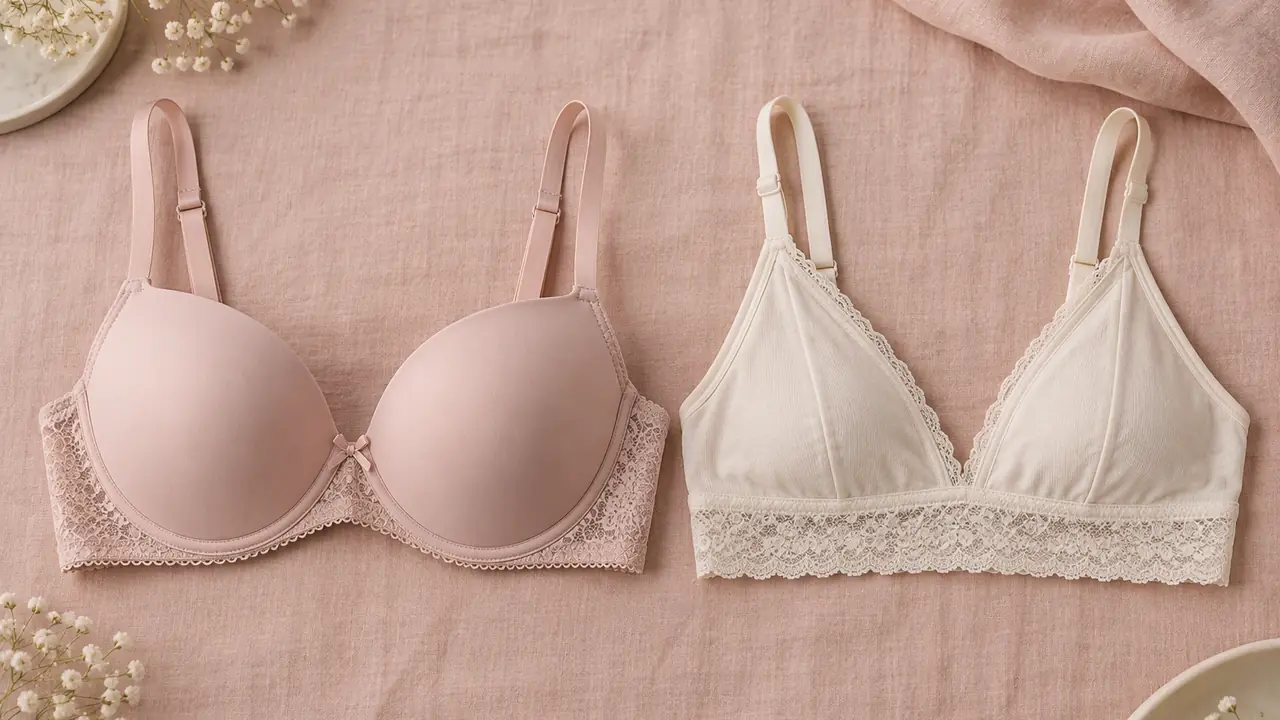
Definitions that hold up in a factory
White label, as the trade uses it: a finished, proven product - usually a public-mold style the plant already produces - that carries a new brand through applied labels, tags and packaging. The brand chooses colorways within what the plant stocks and changes nothing structural. Private label: a product developed to the brand specification - patterns, fabrics, trims, grading and packaging - manufactured under the brand name, usually on the OEM track. The two sit on a continuum with ODM further along, where the plant contributes design as well as production.
The distinction matters because everything downstream - minimums, sampling time, control over fit, exclusivity - follows from which track a style is on. The desk coordinates both tracks across the partner plants, and the honest summary is that neither is the better deal in the abstract: white label buys speed and low entry cost; private label buys a product no one else stocks. The OEM and private label guide walks the private label track step by step.
Side by side: the two tracks on paper
| Aspect | White label | Private label |
|---|---|---|
| Base product | Stock public-mold style | Developed to brand specification |
| Typical MOQ | 500-1,000 pieces per color | 1,000-3,000 pieces per color |
| Sampling | 7-15 days, existing style | 15-25 days, to specification |
| Bulk lead | 30-45 days | 35-50 days; ODM first order 60-90 |
| Fit control | As the stock pattern fits | Own grading and fit sessions |
| Fabric control | Within stocked colorways | Specified per program |
| Exclusivity | Same style sold to others | Yours per the program terms |
| Suits best | Testing channels, speed to market | Brand building, differentiation |
The exclusivity row is the one buyers underestimate. A white label style is, by construction, available to the next brand that asks - which is fine for a channel test and corrosive for a brand story. A private label style is the counter-case: the specification, the fit and the color story are the assets, and no competitor orders the same SKU.
Where white label wins
White label is the right tool whenever the question is a question - does this channel convert, does this price point clear, does this audience buy the category at all. Stock programs move at catalog speed: a sample in 7-15 days because the style exists, bulk in 30-45 days, and entry at 500-1,000 pieces per color because the tooling is already amortized. The marketplace seller program runs on this track almost entirely, as do hospitality and project buyers who need proven basics at volume - see the hospitality program for that case.
The discipline white label demands is honesty about what a brand is buying: logistics and packaging, not product development. Brands that treat a stock program as a product decision usually discover the fit is someone else's fit. The way to run the track well is to fit-test the stock sample on real bodies before committing the color run, and to accept the pattern as-is - the price of the speed is that the pattern is not negotiable.
Where private label wins
Private label is the right tool when the product is the brand. Fit differentiation is the clearest case in intimates: a band that anchors properly, a cup that holds its line through grading, a wing depth matched to the size curve - these are specification decisions that no stock program carries. Fabric choice is the second case: a hand feel, an elastane share, a lace design consolidated across silhouettes. The third is the range architecture itself - a color story and size ladder planned as one system, which the private label guide note covers from logo to package.
The costs are the terms in the table: higher minimums because tooling and development ride on the run, longer sampling because the specification has to be built and confirmed, and a longer bulk lead. Where the brand brings a full development package - tech packs, graded patterns, a fabric direction - the desk quotes it on the OEM track; where the brand wants the plant to contribute design as well, that is the ODM track, and first orders typically run 60-90 days. Every figure is a category reference confirmed in writing per program on the MOQ and lead time page, and the OEM and MOQ note explains how pieces, colors and sizes interact in the minimum.
Labels, packaging and the compliance both tracks carry
Both tracks ship with the same compliance duties, and the difference is only who prepares the artwork. Fiber content and origin labeling under the Textile Fiber Products Identification Act, care labeling under the FTC Care Labeling Rule, an RN number where the United States market requires one, and material safety documentation such as OEKO-TEX Standard 100 held per certificate per lot by the partner plant. White label programs adapt the stock labeling; private label programs create it - and the desk has labeling artwork checked against the actual construction before bulk either way, because a label mismatch is an avoidable customs and returns problem. Packaging is where white label programs differentiate fastest: a branded retail box on a stock style is a legitimate and common step, and the packaging page shows the options.
A hybrid path most brands take
The sequence that works for most first-time brands runs in three moves. Launch white label to open the channel with low exposure and real sales data. Watch which silhouettes and sizes actually sell, not which were expected to. Then migrate the proven winners to private label - same silhouette family, own specification - and let the stock program carry the long tail. Brands that skip the first move guess at fit; brands that never do the second move rent their product forever.
- Shortlist stock styles against the channel and fit-test the samples on real bodies.
- Launch the white label run at 500-1,000 pieces per color in the proven silhouettes.
- Read the sales data by silhouette, size and color for at least one full cycle.
- Write the private label specification for the winners: fit notes, fabric, grading, packaging.
- Quote the OEM track on those specifications and phase the stock styles out.
When the track decision is set per silhouette, the quote form takes the track, the style, the size range and quantity per color, and the desk quotes both tracks in parallel so the comparison arrives on real terms.