
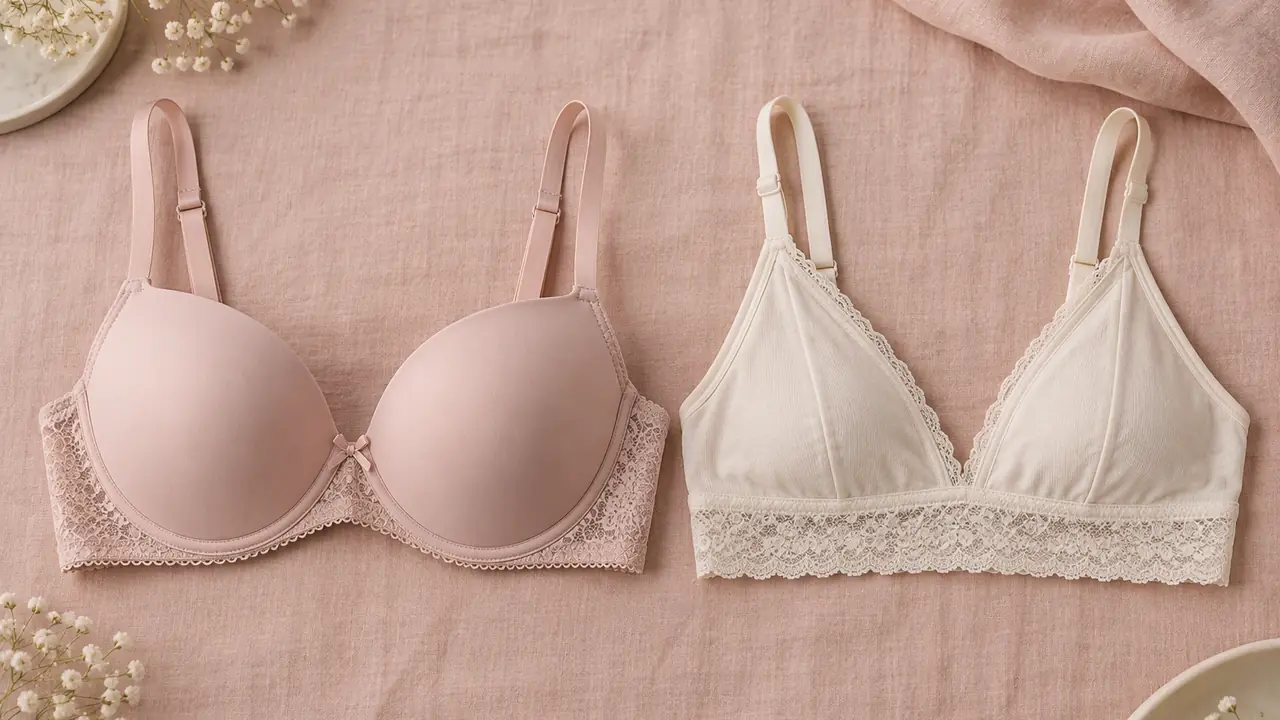
What one line and multi-line mean here
One line means a single product family carried deep: a wireless bra, or a brief program, in a handful of colors and a proper size run, with restock depth behind it. Multi-line means several families at launch - say a bra, a panty set and a bralette - each thinner in depth, sharing a brand story and a launch calendar. The distinction is not about ambition; plenty of serious brands run single-family programs for years. It is about where the launch budget goes: into depth and availability, or into breadth and story.
The desk plans both shapes of program. The comparison below is deliberately arithmetic, because the launch decision in intimates is unusually quantitative: minimums arrive per color per family, sampling runs in parallel rather than in series, and the stock decision follows the minimums rather than the mood board.
Side by side: the launch arithmetic
| Aspect | One line, deep | Multi-line, wide |
|---|---|---|
| Sampling load | One family, parallel color samples | Several families in parallel |
| MOQ exposure | Concentrated, restockable | Spread across families, thinner each |
| Stock depth | Real depth per size and color | Shallow depth per family |
| Brand story | Specialist positioning | Range positioning from day one |
| Channel fit | DTC, subscription, one problem solved | Retail, wholesale, gifting, sets |
| Data quality | Clean signal on one family | Split signal across families |
| Main risk | Single-family demand misses | Everything half-stocked |
The data quality row decides the second launch either way. A single line produces a readable signal - which sizes, which colors, what repurchase pace - because the volume concentrates. A multi-line launch produces directionally useful but statistically thinner signals per family, and brands that read them carefully can still plan; brands that read them casually re-order the wrong families.
The case for one line
The single-line launch concentrates every advantage that comes from repetition. One family means one grading to perfect, one fit session cycle, one inspection checklist learned properly, and inventory that stays available long enough for reviews, repeats and word of mouth to accumulate on styles that are actually in stock. The comfort-first DTC playbook is built on this shape: a wireless program or a brief program that solves one problem thoroughly, restocked on a predictable cycle - the DTC brand program is organized around it, and subscription models favor it because the assortment question stays simple.
The honest cost is positioning: a single-family brand has one answer to the question of what else it sells, and gifting or bundle opportunities wait until the second family arrives. The bundles note shows how much a second complementary family adds to order value, which is precisely the argument for a staged rather than a permanent single-line plan.
The case for multi-line
Multi-line launches exist because some channels price breadth into their first order. Retail chains evaluate a program, not a product - the retail chain program expects a shelf-ready story with families that sit together. Distributors and wholesalers need a color and price ladder to sell from - see the distributor program. And sets are a genuine category behavior: a bra that pairs with its panty sells differently from a bra alone, which is why ranges that intend to grow sets usually launch with both families present, even thinly.
The honest cost is depth. Minimums arrive per color per family - typical references across the category: 1,000-3,000 pieces per color for OEM bra programs, 500-1,000 for stock public-mold programs, 2,000-5,000 for panty programs - so a three-family launch multiplies exposure by three before a unit sells. Spreading the budget thin enough to cover all families can leave none of them with real size depth, which is the failure mode the table names: everything half-stocked. All figures are category references confirmed in writing per program on the MOQ and lead time page.
The staging that decides it
Sample load scales with breadth in parallel, not in series: each family runs its own 7-15 day catalog or 15-25 day OEM sample cycle at the same time, so a three-family launch runs three sample programs against one calendar - and three sets of fit decisions made in the same fortnight. Bulk then lands per family at 30-45 or 35-50 days depending on the track. Brands underestimate the decision load more than the money: parallel sampling asks for grading, fabric and fit judgment on several families at once, which is where first-time launch teams usually stretch past their depth.
- Write the channel first: DTC-first favors one deep line; retail and wholesale favor breadth.
- Price the minimums honestly: exposure is per color per family, summed across the launch.
- Choose depth where the audience is pickiest - usually fit-critical bras - and breadth elsewhere.
- Plan the sample calendar for parallel programs before committing a launch date.
- Define the read-out: which data at which date decides the second family.
A middle path that usually wins
The binary is really a sequencing question. The shape that recurs across successful programs: launch one family deep enough to be taken seriously - real size depth, real restock - with one complementary family thin, purely so sets and gift behavior can exist from the first week of trading. Read one full cycle of data. Then add the second full family on the evidence, and let the range grow family by family with the channel pulling rather than the calendar pushing. Seasonality belongs in the same plan: the seasonality and stock note explains how launch timing interacts with the category calendar. A launch that respects both the data cycle and the category calendar buys its second family with evidence instead of hope.
When the launch shape is set, the quote form takes the family, the size range, the color plan and quantity per color in one pass, and the desk quotes the staged plan as one program with per-family minimums rather than as separate transactions.