
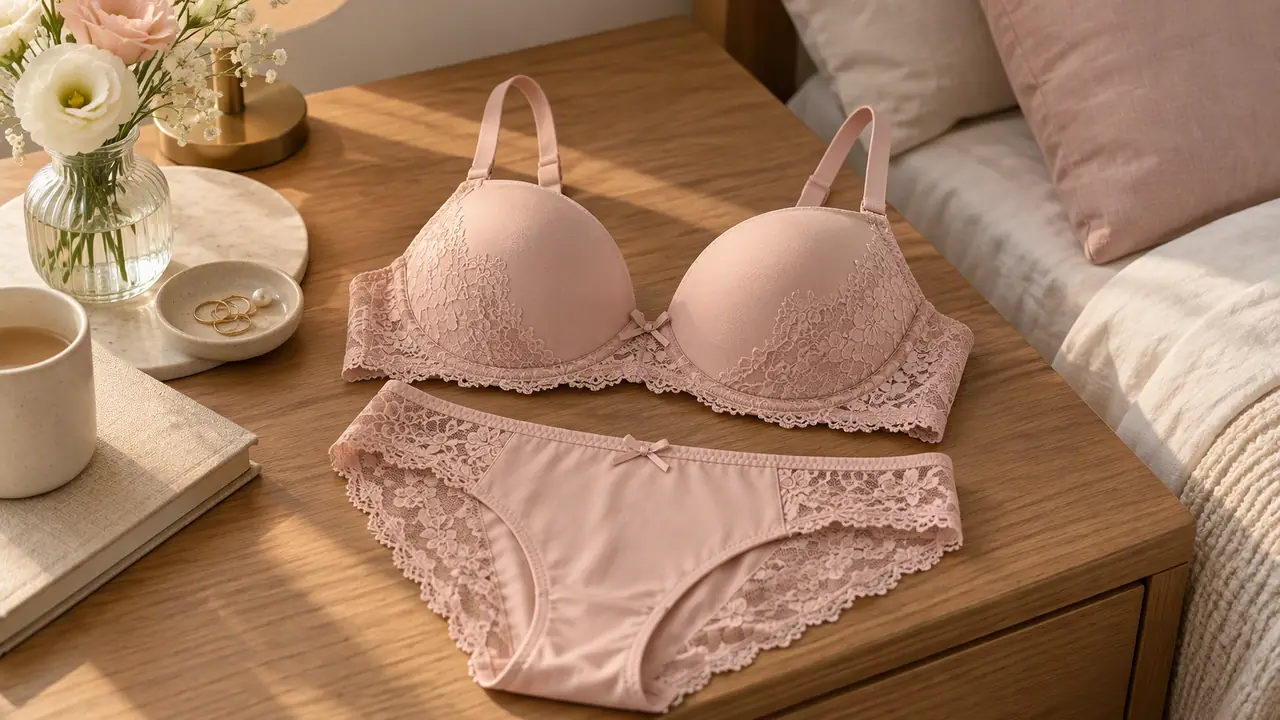
Why stitch choice is a specification, not a detail
Seams sit against the body for hours; elastics are attached by the meter; a single reinforcement point carries the highest load in the garment. That is why the desk treats the stitch plan as a specification - a named stitch class and density per seam, written into the tech pack - rather than as a plant habit to be discovered on the sample. Stitch plans also travel: when a program moves between plants, the stitch plan is the document that keeps the garment the same garment. A buyer who can name the seam types can also read an inspection report correctly, which shortens every conversation that follows.
Stitch decisions also age differently from fabric decisions. A fabric that passes a hand check usually stays passed, while a stitch setting can drift with operator, machine and lot - which is why the stitch plan is re-verified at inline inspection during bulk rather than only at the approved sample. On repeat orders the plan is checked against the program file's signed sample, so a setting that drifted between seasons is caught before the goods ship rather than in reviews.
Flatlock: the skin-facing workhorse
Flatlock joins two edges butted together with a chain formation laid flat between them, producing a seam with almost no raised profile. That is why it owns the skin-facing seams of soft bras, bralettes and panties: the seam reads as a flat ridge rather than a lump. Its limits matter as much as its strengths. A flatlock depends on thread integrity - if the thread breaks, the seam can unzip - and it adds less stabilization than a sewn-and-overlocked seam, so it belongs where the seam's job is to join, not to hold structure. Tension set at the machine decides whether a flatlock lies flat or puckers, which is why the desk checks flatlock seams on washed samples, where tension errors surface.
Zigzag and three-step zigzag: elastic attachment
Zigzag stitches stretch with the edge they hold, which makes them the default for attaching elastics where a straight lockstitch would snap at first stretch. The three-step variant spreads the zigzag into a flatter, more elastic line and is common on wider elastic applications and on stretch laces. What buyers specify here is the stitch width and density against the elastic's elongation: an attachment set too tight fights the elastic and waves the edge; set too loose, it lets the elastic roll. The elastic families these stitches serve are set out in elastic types.
Coverstitch: hems, taping and clean finishes
Coverstitch puts two or three parallel needle lines over a looper thread on the face of the fabric, with the underside covered - a hem or a tape application that stretches, lies flat and reads tidy from both sides. On intimates it hems bra wings, applies binding and tapes channel edges. Its two failure modes are tunneling between the needle lines on thin knits and uneven tension that shows as a wavy hem. Both are machine-setup conditions, which is why coverstitch quality is a plant-capability question the desk asks before sampling rather than after.
Overlock and bartack: structure and reinforcement
Overlock stitches enclose the edge of one or more plies and are the construction seam of cut-and-sew intimates: fast, elastic and edge-finishing in one pass. Where load concentrates, a reinforcement stitch follows: the bartack, a dense straight-line cluster placed at strap joins, closure ends, ring and slider attachments and the ends of channels. Bartacks are tiny and disproportionately important - the attachment failures that reach returns usually trace to a missing or misplaced reinforcement rather than to a weak fabric. The assembly map that shows where these reinforcement points sit is in the bra anatomy note.
The stitch plan at a glance
| Stitch | Job | Typical placement | Watch-outs |
|---|---|---|---|
| Flatlock | Flat, skin-facing joins | Bralette seams, panty side seams, soft cups | Thread breakage unzips the seam; tension puckering |
| Zigzag | Elastic and lace attachment that stretches | Edge elastics, strap elastic, lace application | Width and density set against elastic elongation |
| Three-step zigzag | Flatter, more elastic attachment line | Wider elastics, stretch lace | Consistent width across operators and machines |
| Coverstitch | Hems and tape applications that stretch flat | Wing hems, binding, channel edges | Tunneling on thin knits; wavy tension |
| Overlock | Construction seam and edge enclosure | Cut-and-sew assemblies, linings | Needle damage on elastane-rich knits |
| Bartack | Point reinforcement under load | Strap joins, closure ends, hardware, channel ends | Placement per tech pack, not operator judgment |
Density, thread and needle effects
Two supporting decisions run under every seam. Stitch density - stitches per unit length - trades seam strength against elasticity and visibility: denser is stronger but stiffer and more apparent on delicate faces. Thread choice is usually a core-spun polyester in the main seams for strength with give, with finer threads on lace and sheers. On elastane-rich knits, needle condition matters: a damaged needle cuts elastic yarns and the resulting runs appear after washing, which is why the desk's inspection sequence checks seam integrity after laundering rather than only on first-pass goods. Lace presents its own seam questions - joining without cutting the ground - covered in lace tearing.
What buyers should specify and how it is checked
The stitch plan names a stitch class and density per seam type, the thread, and the reinforcement positions. Inspection then has something concrete to verify: seam by seam against the plan, on washed samples first and inline during bulk. For styles where the seam plan itself is the look - seamed cups - the plan and the pattern are designed together, as the comparison in seamed versus seamless shows. Styles that minimize stitching move the work into knitting and bonding, described in seamless knitting and seamless panties.
Where the desk fits in
The desk reviews the stitch plan with partner plants before sampling, because stitch capability differs more between plants than fabric capability does. Reference quantities for bra programs run typically 1,000-3,000 pieces per color for branded work and 500-1,000 for catalog models, with panty programs at 2,000-5,000 per color for OEM builds - reference ranges confirmed in writing per order, with the current table on MOQ and lead time. The quote form carries the construction route so plants respond with the stitch plan they will actually run.